


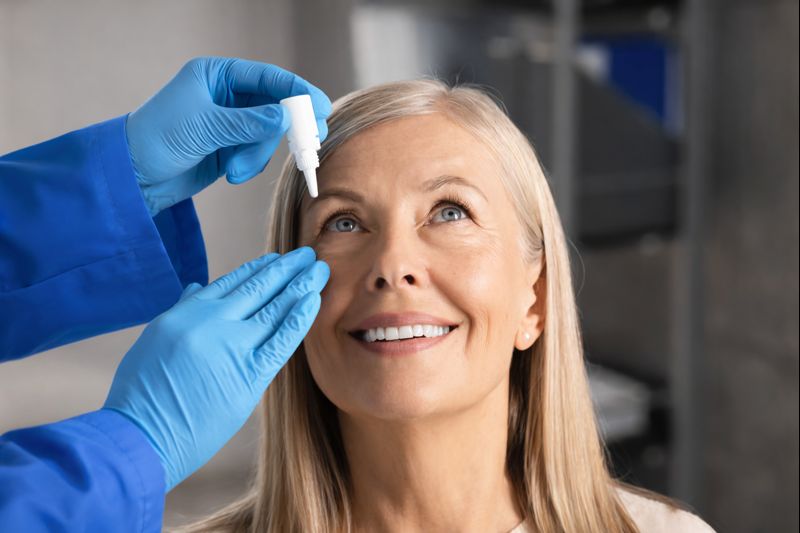
If you are living with glaucoma and have been told you need cataract surgery, it is completely normal to feel uncertain about what will happen to your eye drops. Many patients worry whether the drops they rely on every day will still be needed after surgery or if cataract removal might change their eye pressure control. These questions are important, because glaucoma treatment depends on long-term consistency and careful planning. We believe understanding what changes and what stays the same helps you feel more confident going into surgery.
Cataract surgery is one of the most common and successful procedures in modern eye care, yet glaucoma adds an extra layer of complexity. Unlike cataracts, glaucoma does not have a one-time cure, and eye drops often remain a lifelong part of management. Surgery on the eye can temporarily affect pressure levels, inflammation, and healing responses. That is why glaucoma medication is handled with particular care before and after cataract surgery.
In this article, we explain how glaucoma eye drops are managed around cataract surgery in a clear, practical way. We walk you through what usually happens before surgery, what changes immediately after, and how drops may be adjusted during recovery. Most importantly, we explain why careful pressure monitoring remains essential even when vision improves after cataract removal.
Understanding the Role of Eye Drops in Glaucoma Management
Glaucoma is a chronic condition that damages the optic nerve, most often due to raised eye pressure. The damage happens slowly and painlessly, which means many people do not notice changes until vision is already affected. Eye drops are prescribed to lower pressure and protect the optic nerve from further harm. For many patients, these drops are the main reason their vision remains stable over time.
Each glaucoma drop works in a slightly different way. Some reduce the amount of fluid produced inside the eye, while others help fluid drain more efficiently. In some cases, a combination of drops is needed to keep pressure within a safe range. Because glaucoma damage cannot be reversed, maintaining consistent pressure control is essential.
This is why eye specialists are cautious about changing glaucoma medication, especially around the time of surgery. Any interruption, even for a short period, can lead to unwanted pressure fluctuations. Cataract surgery does not replace glaucoma treatment, so drops remain a central part of care both before and after the operation.
Why Cataracts and Glaucoma Commonly Occur Together
Cataracts and glaucoma often develop later in life, which is why many patients experience both conditions at the same time. A cataract forms when the natural lens of the eye becomes cloudy, leading to blurred vision, glare, and difficulty with daily activities. Cataract surgery restores clarity by replacing the cloudy lens with an artificial one. This surgery focuses on vision quality rather than eye pressure control.
Glaucoma, on the other hand, affects the eye’s drainage system and optic nerve health. It requires long-term monitoring and treatment, usually with eye drops. While cataract surgery does not cure glaucoma, it can influence the internal structure of the eye in subtle ways. These changes may affect pressure readings, especially during the healing period.
Because both conditions affect the same eye, treatment planning must consider how one influences the other. Managing cataracts without disrupting glaucoma control is always the priority. This is why your glaucoma drops are reviewed carefully before surgery and monitored closely afterwards.
Why Glaucoma Drops Are Reviewed Before Cataract Surgery
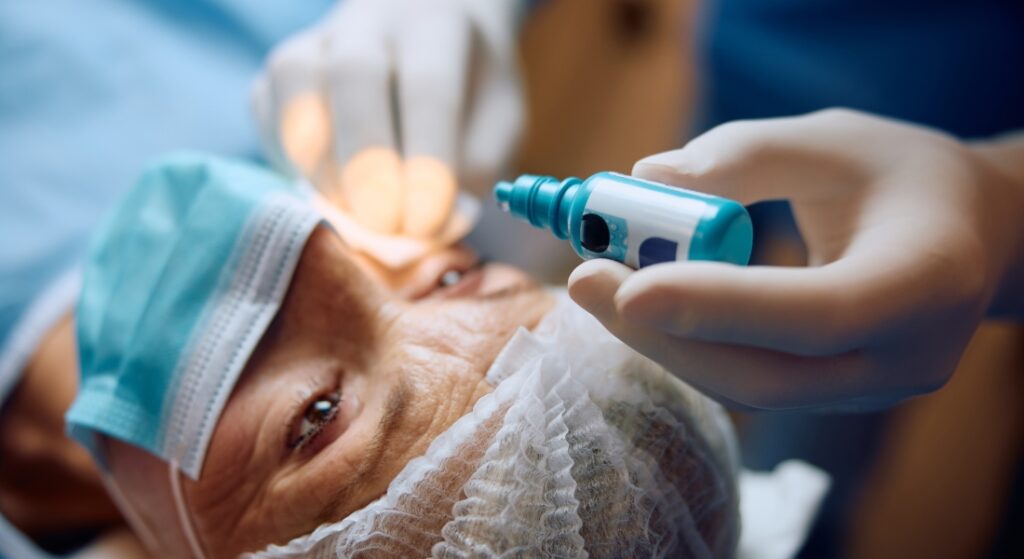
Before cataract surgery, your eye specialist reviews your glaucoma history in detail to ensure the eye is as stable as possible before the procedure. This assessment includes how well eye pressure has been controlled over time, the extent of optic nerve damage, and how consistently current glaucoma drops have been tolerated. Careful planning at this stage helps reduce risk during and after surgery.
Some glaucoma medications can affect the surface of the eye, leading to dryness or irritation, while others may influence inflammation and healing after cataract surgery. Although most drops are safe to continue, short-term adjustments may sometimes be recommended based on individual eye health. These decisions are always personalised and made with long-term vision protection in mind.
Key Points to Understand Before Surgery
- Eye pressure control is assessed to minimise stress on the optic nerve
- The severity of existing glaucoma damage influences surgical planning
- Ongoing tolerance to glaucoma drops is carefully reviewed
- Temporary medication adjustments may be advised to support healing
- Clear guidance is given so treatment continues safely and consistently
In most cases, glaucoma drops are continued right up to the day of surgery to prevent pressure rises that could harm the optic nerve. Stopping medication without guidance can increase risk, which is why precise instructions are provided on what to use and when. This approach supports a smoother surgical experience and safer recovery.
Do You Stop Glaucoma Drops Before Cataract Surgery?
For the majority of patients, glaucoma eye drops are not stopped before cataract surgery. Maintaining good pressure control before surgery is usually more important than making changes. Your specialist wants your eye to be in the best possible condition going into the procedure. Stable pressure reduces the risk of complications.
There are, however, a small number of situations where a drop may be paused temporarily. This might happen if a particular medication increases inflammation risk or interferes with healing. Even in these cases, the decision is made carefully and explained clearly. You are never expected to make changes on your own.
If a drop is stopped, it is usually for a short and specific reason. Alternative measures may be used to keep pressure controlled during that time. Communication is key, and written instructions help prevent mistakes during the pre-surgery period.
Managing Eye Pressure on the Day of Surgery
On the day of cataract surgery, eye pressure is checked as part of routine preparation. This ensures the eye is safe for the procedure and helps guide any last-minute decisions. In most cases, you will be asked to use your glaucoma drops as normal unless told otherwise. Consistency helps avoid pressure spikes.
Cataract surgery itself is designed to maintain stable pressure within the eye. Modern surgical techniques carefully control fluid flow and minimise stress on internal structures. This is especially important for patients with glaucoma, as the optic nerve is already vulnerable. The procedure is planned with this in mind.
Your surgical team is aware of your glaucoma diagnosis and tailors care accordingly. This integrated approach ensures both vision and pressure control are protected throughout the procedure. Attention to detail at this stage supports smoother recovery later on.
Immediate Changes to Eye Drops After Cataract Surgery
After cataract surgery, your eye drop routine becomes more complex for a short time. In addition to your usual glaucoma drops, you are prescribed new medications to prevent infection and control inflammation. These typically include antibiotic and steroid drops used for several weeks. Managing multiple drops can feel overwhelming at first.
It is important not to assume that glaucoma drops should be stopped after surgery. In most cases, they are continued alongside the new post-operative drops. Clear instructions are provided to help you space the drops correctly and avoid confusion. Following the schedule closely is essential.
If any changes to glaucoma drops are needed, they are made deliberately and with close monitoring. The early recovery period is about balancing healing with pressure protection. This careful approach helps avoid unnecessary complications.
How Healing After Surgery Can Affect Eye Pressure
Healing after cataract surgery triggers natural inflammatory responses within the eye. While this inflammation is expected and usually mild, it can influence eye pressure in glaucoma patients. Some people experience a temporary rise in pressure during the early recovery period. This does not mean glaucoma is worsening.
Steroid drops, which are commonly prescribed after surgery, can also affect pressure in some individuals. For most patients, this effect is mild and temporary. However, it highlights why pressure checks are essential during follow-up visits. Monitoring allows early detection of any changes.
Your specialist adjusts treatment based on how your eye responds. This might involve short-term changes to drops or dosing schedules. The aim is always to protect the optic nerve while allowing proper healing.
Can Cataract Surgery Reduce Eye Pressure?
Many patients hope cataract surgery will reduce their need for glaucoma drops. In some cases, a modest reduction in eye pressure does occur after cataract removal. This happens because removing the natural lens can improve fluid drainage inside the eye. The effect varies from person to person.
While pressure reduction is possible, it is usually small and not guaranteed. Cataract surgery is not considered a primary glaucoma treatment. For most patients, drops are still needed to maintain safe pressure levels. Any improvement is viewed as a potential benefit, not a replacement for ongoing care.
Pressure changes after surgery may also be temporary. This is why specialists wait and observe before making any decisions about reducing medication. Long-term stability matters more than short-term improvements.
Why Glaucoma Drops Should Never Be Stopped Suddenly
Even if pressure readings appear improved after cataract surgery, glaucoma drops should never be stopped without professional guidance. Glaucoma damage often progresses without symptoms, and eye pressure can rise again unexpectedly. Sudden withdrawal of medication may place the optic nerve at risk, which is why caution is always required.
Specialists usually monitor pressure patterns across several follow-up visits before considering any change in treatment. This observation period helps confirm whether pressure reduction is stable and reliable. A slow, supervised approach reduces risk and supports long-term vision protection.
Why Medication Changes Are Made Carefully
- Eye pressure improvements can be temporary after surgery
- Glaucoma progression may continue without noticeable warning signs
- Multiple readings are needed to confirm long-term stability
- Gradual adjustments reduce the risk of pressure spikes
- Supervised decisions help protect the optic nerve
We prioritise long-term outcomes rather than rapid changes to treatment. Protecting vision over years and decades depends on careful planning and consistent monitoring. Glaucoma drops are only adjusted when it is clinically safe to do so.
Monitoring Eye Pressure During Recovery
Follow-up appointments after cataract surgery are particularly important for glaucoma patients. Pressure is checked regularly during the first few weeks and months of recovery. These visits help identify temporary fluctuations and guide treatment adjustments. Consistent monitoring provides reassurance.
In addition to pressure checks, your specialist may review optic nerve imaging and visual field tests. These assessments provide a broader picture of glaucoma stability. Pressure numbers alone do not tell the full story. Comprehensive evaluation supports better decisions.
Regular follow-up helps ensure that healing and glaucoma control progress together. It also allows you to ask questions and address concerns as they arise. Ongoing communication supports confidence during recovery.
Can Cataract Surgery Increase the Need for Drops?

In most cases, cataract surgery does not increase long-term reliance on glaucoma drops. However, short-term changes are sometimes needed during healing. These adjustments reflect the eye’s temporary response rather than disease progression. Once healing stabilises, treatment often returns to baseline.
Some patients may need extra drops for a brief period if pressure rises. This is usually temporary and carefully monitored. It does not mean surgery has worsened glaucoma. The focus remains on protecting the optic nerve during recovery.
Understanding this helps set realistic expectations. Temporary changes do not define long-term outcomes. Stability over time is what truly matters.
Combined Cataract and Glaucoma Procedures
In certain situations, cataract surgery is combined with a glaucoma procedure. This approach is considered when pressure control is already difficult with drops alone. Combined surgery aims to address both vision and pressure in one operation. It is not suitable for everyone.
The decision depends on glaucoma type, severity, and overall eye health. Combined procedures may reduce the need for multiple drops, but outcomes vary. Your specialist explains the risks and benefits in detail before proceeding.
This personalised approach reflects the complexity of glaucoma care. There is no single solution that suits everyone. Treatment is always tailored to your individual needs.
The Importance of Personalised Treatment Planning
Glaucoma behaves differently in every patient. Some people remain stable for years on minimal treatment, while others need closer monitoring and adjustments. Cataract surgery adds another variable to this equation. Personalised planning ensures safer outcomes.
Your specialist considers your pressure history, optic nerve condition, and lifestyle when managing drops. Factors such as tolerance, adherence, and daily routine matter. Effective treatment fits into your life while protecting your vision.
This flexible approach avoids rigid rules. Instead, decisions are guided by how your eye responds over time. Personalisation leads to better long-term results.
Why Long-Term Follow-Up Remains Essential
Cataract surgery improves visual clarity, but it does not conclude glaucoma care. Lifelong monitoring remains essential to protect vision. Eye pressure control, optic nerve health, and visual function all require regular and careful review over time.
Even if glaucoma drops are reduced after surgery, structured follow-up continues. Changes in pressure or nerve health can occur months or even years later. Early detection allows timely adjustment and helps prevent further damage.
Why Long-Term Monitoring Remains Essential
- Glaucoma is a lifelong condition requiring ongoing supervision
- Pressure changes can develop gradually without symptoms
- Optic nerve health must be assessed regularly to detect progression
- Visual field testing helps track functional vision over time
- Consistent follow-up supports early and effective intervention
Long-term glaucoma care focuses on prevention rather than reaction. Staying engaged with scheduled reviews supports safer outcomes and lasting vision protection. This continuity of care ensures that changes are identified early and managed appropriately.
Emotional Concerns Around Managing Both Conditions
Managing both cataracts and glaucoma can feel emotionally challenging. Surgery brings hope for clearer vision, but glaucoma reminds you of long-term responsibility. These mixed feelings are completely normal. We see them often.
Understanding the process helps reduce anxiety. Knowing what to expect with your drops provides reassurance. Clear communication builds confidence and trust. Feeling informed makes the journey easier.
You are not alone in this process. Support and guidance are part of care. Addressing emotional concerns is just as important as managing physical treatment.
When to Contact Your Eye Specialist After Surgery
After surgery, it is important to know when to seek advice. Sudden pain, significant vision changes, or severe redness should be reported promptly. These symptoms may indicate pressure changes or inflammation that needs attention. Early care prevents complications.
Do not wait for your next scheduled appointment if something feels wrong. Trust your instincts and reach out. Prompt assessment leads to better outcomes. Support is always available when needed.
Clear guidance empowers you to take an active role in recovery. Knowing when to act protects your eye health. Confidence grows with awareness.
The Value of Specialist Glaucoma Care

Managing glaucoma around cataract surgery requires experience and specialist expertise. Clinics that routinely manage both conditions understand how treatments interact and how to balance pressure control with surgical recovery. This integrated approach supports safer procedures and more reliable outcomes.
Expert care also provides reassurance throughout every stage of treatment. Careful planning helps protect long-term vision and reduces avoidable risks. Consistent oversight ensures decisions are made with confidence and precision.
What Experienced Glaucoma Care Provides
- A clear understanding of how cataract surgery affects eye pressure
- Coordinated management of glaucoma before and after surgery
- Personalised treatment decisions based on complex eye health needs
- Reduced risk through careful timing and planning of interventions
- Long-term strategies focused on preserving vision
This level of experience is essential in complex eye care. Thoughtful, specialist-led management supports safer treatment pathways and lasting protection for vision.
FAQs:
1. Will your eye drop routine change after cataract surgery if you have glaucoma?
Yes, your routine often becomes temporarily more detailed after surgery. We usually add healing drops alongside your regular glaucoma medication. Clear timing instructions help you manage this change smoothly. This approach supports both recovery and eye pressure stability.
2. Can using eye drops too close together affect how well they work?
Yes, drops need time to absorb properly to be effective. We advise spacing them so one drop does not wash out another. This improves how well each medication works. Proper spacing can also reduce surface irritation.
3. Is it normal for you to feel unsure about which eye drop to use first?
Yes, this is very common after cataract surgery. We give you clear guidance on the order and timing of each drop. Having a structured plan reduces mistakes. It also helps you feel more confident during recovery.
4. Can your eye pressure change even if your vision feels clearer after surgery?
Yes, clearer vision does not always mean stable eye pressure. We continue monitoring because pressure changes can occur without noticeable symptoms. Regular checks allow early detection. This helps protect your optic nerve long term.
5. Can eye drops feel stronger on your eyes after cataract surgery?
Yes, your eyes may feel more sensitive while healing. Some drops can feel different than they did before surgery. We assess comfort during follow-up visits. Adjustments are made if sensitivity affects daily use.
6. Should you tell us if your eye feels uncomfortable when using drops after surgery?
Yes, you should report any discomfort that continues or worsens. We expect mild sensations, but persistent symptoms matter. Early communication allows us to adjust treatment safely. This helps you stay consistent with your drops.
7. Can missing doses during recovery affect your glaucoma control?
Yes, missing doses repeatedly can affect pressure stability. We help you adapt your routine to fit recovery. Small changes make it easier to stay consistent. Regular use remains essential during healing.
8. Will you need more follow-up appointments because you have glaucoma?
Often, yes, especially during the early recovery period. We monitor eye pressure more closely after surgery. These visits help identify temporary changes. They support safer long-term outcomes.
9. Could your glaucoma treatment become simpler months after surgery?
It may happen for some people over time. We only consider changes after repeated stable pressure readings. Early improvements are observed carefully. Any adjustments are gradual and supervised.
10. How do we know if pressure changes after surgery are temporary for you?
We look at pressure trends across multiple visits rather than single readings. This method helps us understand how your eye is truly responding. It avoids unnecessary changes to treatment. Long-term stability guides every decision.
Final Thoughts On Glaucoma Eye Drops Before and After Cataract Surgery:
If you are living with glaucoma and preparing for cataract surgery, concerns about eye drops are completely understandable. While your drop routine may change temporarily during recovery, careful planning and close monitoring help protect your eye pressure throughout the process. Cataract surgery does not usually eliminate the need for glaucoma drops, but it can sometimes improve pressure control in selected cases.
By understanding how glaucoma drops are managed before and after surgery, you can approach treatment with clarity rather than uncertainty, you can always speak to the team at London Cataract Centre.
References:
- Weinreb, R.N., Aung, T. and Medeiros, F.A. (2014) ‘The pathophysiology and treatment of glaucoma: a review’, JAMA, 311(18), pp. 1901–1911. Available at: https://pmc.ncbi.nlm.nih.gov/articles/PMC4523637/
- Baek, S.U., Kwon, S., Park, I.W. and Suh, W. (2019) ‘Effect of phacoemulsification on intraocular pressure in healthy subjects and glaucoma patients’, Korean Journal of Ophthalmology. Available at: https://pmc.ncbi.nlm.nih.gov/articles/PMC6374551/
- Qassim, A., et al. (2020) ‘Effect of phacoemulsification cataract surgery on intraocular pressure in open-angle glaucoma and ocular hypertension’, [Journal article]. Available at: https://pubmed.ncbi.nlm.nih.gov/32031310/
- Pasquali, A., et al. (2024) ‘Does cataract extraction significantly affect intraocular pressure? A meta-analysis’, Journal of Clinical Medicine, 13(2), 508. Available at: https://www.mdpi.com/2077-0383/13/2/508
- Barakat, N.A., et al. (2024) ‘Improving medication adherence in glaucoma patients’, Journal of Pharmacy and Health Services Research, 15(2). Available at: https://academic.oup.com/jphsr/article/15/2/rmae003/7625417