



If you have been diagnosed with normal-tension glaucoma and are considering cataract surgery, it is completely natural to feel uncertain. Many patients assume cataract surgery affects everyone in the same way, but we know this is not always true. When glaucoma exists despite normal eye pressure, surgical planning requires a more cautious and tailored approach.
Normal-tension glaucoma means the optic nerve is already vulnerable, even though eye pressure readings appear normal. We therefore place greater emphasis on protecting the optic nerve throughout the surgical process. Factors such as pressure fluctuations during surgery, choice of intraocular lens, and postoperative care all require careful consideration.
Careful monitoring before and after surgery is essential to achieve the best outcome. We assess visual fields, optic nerve health, and eye pressure trends to ensure stability is maintained. With appropriate planning and follow-up, cataract surgery can still offer meaningful visual improvement while safeguarding long-term eye health.
Understanding Normal-Tension Glaucoma
Normal-tension glaucoma is a form of glaucoma in which optic nerve damage occurs despite eye pressure remaining within the normal range. This can feel confusing, especially when glaucoma is commonly associated with raised pressure. We understand that, in this condition, pressure alone does not explain the damage taking place.
Other factors such as reduced blood flow to the optic nerve, increased nerve sensitivity, and structural vulnerability play a significant role. You may not notice obvious symptoms in the early stages, as vision changes often develop slowly and quietly over time.
Because progression can occur without warning signs, early diagnosis and ongoing monitoring are essential. We rely on regular assessments of the optic nerve, visual fields, and overall eye health to detect subtle changes and protect long-term vision.
How Normal-Tension Glaucoma Differs From Other Types
In high-pressure glaucoma, treatment often focuses on lowering eye pressure aggressively to slow progression. In normal-tension glaucoma, the pressure may already appear “acceptable” on paper, yet optic nerve damage continues to occur. We understand that this can feel counterintuitive and raises important questions about risk.
This difference changes how we assess and manage the condition. The optic nerve is already vulnerable, even at normal pressure levels, so we take a more cautious and tailored approach. You can expect greater emphasis on stability rather than simply reducing pressure values.
Because pressure is not the only factor, broader considerations become essential. We look beyond measurements alone and focus on protecting the optic nerve from any additional stress, particularly during procedures such as cataract surgery. Even short-term fluctuations can have a greater impact in normal-tension glaucoma.
Key Differences in Management Approach
- Eye pressure may already fall within the normal range
- Optic nerve damage can progress despite “acceptable” readings
- Greater sensitivity to pressure fluctuations
- Increased focus on optic nerve protection
- More careful surgical and postoperative planning
Understanding these differences helps explain why management strategies may vary. We aim to reduce all possible risks while ensuring you receive safe, effective treatment that supports long-term vision stability.
Why Cataracts Often Develop Alongside Glaucoma
Cataracts are common as we age, and many people with glaucoma will eventually develop them. Long-term use of eye drops can contribute to cataract formation. Age itself remains the biggest risk factor.
When both conditions exist, treatment decisions become more complex. Surgery must improve vision without accelerating optic nerve damage. This balance requires careful planning.
Common Concerns Patients Have Before Surgery
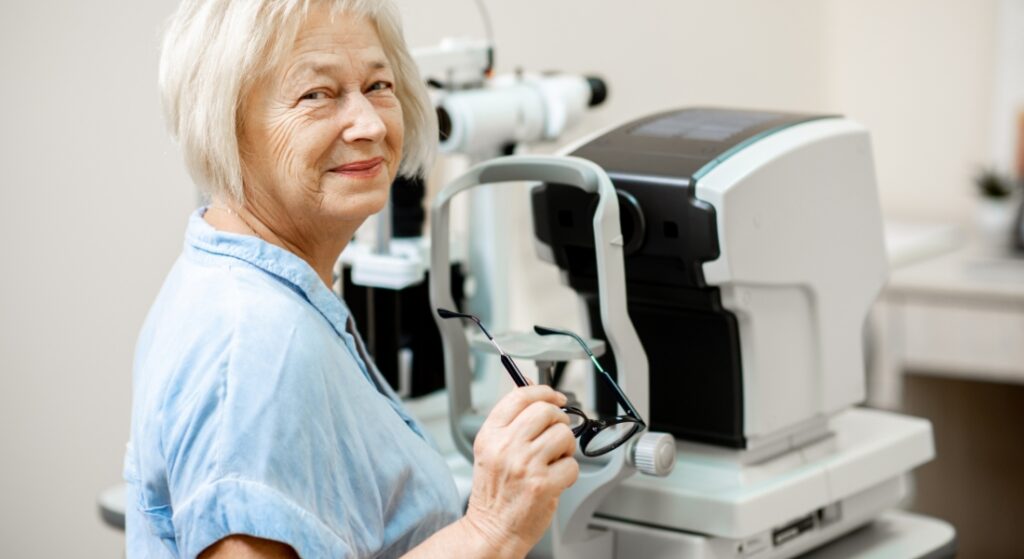
Many patients understandably worry about whether cataract surgery could worsen their glaucoma, cause pressure spikes, or lead to vision loss. We recognise that these concerns are valid and deserve open, informed discussion. By carefully assessing your individual risk factors and planning surgery accordingly, we aim to address these worries before treatment begins.
The reassuring news is that cataract surgery can be performed safely in patients with normal-tension glaucoma. However, we approach it differently from surgery in patients without optic nerve disease, using tailored techniques and close monitoring to protect your optic nerve and preserve long-term vision.
What you should know before surgery:
- Your concerns about glaucoma progression are taken seriously
- Cataract surgery is generally safe with appropriate planning
- Surgical techniques are adapted to protect the optic nerve
- Eye pressure is monitored closely before and after surgery
- Open discussion helps you make confident, informed decisions
Pre-Surgical Assessment Is More Detailed
Before cataract surgery, patients with normal-tension glaucoma undergo a more thorough evaluation than usual. We often perform repeated visual field tests and detailed imaging of the optic nerve to assess current stability and identify any subtle changes.
These baseline measurements provide important reference points for monitoring after surgery. You can see that this extra care helps protect long-term vision and ensures any progression is detected early, supporting safer surgical outcomes.
Understanding Optic Nerve Vulnerability
In normal-tension glaucoma, the optic nerve is especially sensitive to changes in blood flow and eye pressure. We know that even small fluctuations can have an impact, which is why surgical planning prioritises stability above all else.
Surgeons take careful measures to minimise stress on the optic nerve at every stage. You can see that pre-operative preparation, precise surgical technique, and attentive post-operative care all work together to protect long-term vision.
Does Cataract Surgery Lower Eye Pressure?
Cataract surgery can lead to a slight reduction in eye pressure for many patients. We know that this effect is generally more pronounced in those with higher baseline pressure, while in normal-tension glaucoma, the reduction is usually modest. You can see that pressure lowering is a welcome, though secondary, benefit.
Even small decreases in pressure can be meaningful when protecting a sensitive optic nerve. We understand that every millimetre of pressure matters, and this potential advantage is carefully weighed during surgical planning. Your surgeon will consider this alongside other factors to ensure safe and effective outcomes.
Why Pressure Stability Matters More Than Pressure Reduction
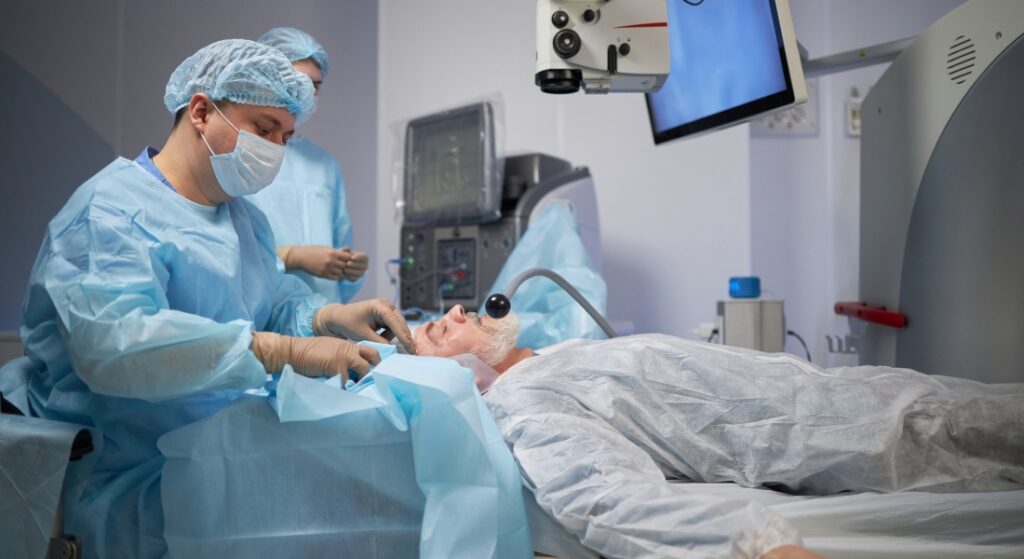
In normal-tension glaucoma, maintaining stability is often more important than lowering eye pressure to very low levels. We know that sudden spikes or drops can put stress on the optic nerve, so consistency becomes the main focus of management.
During cataract surgery, intraocular pressure can fluctuate temporarily. Surgeons use refined techniques to minimise these changes, and you can see that this careful approach helps reduce the risk of stress to the optic nerve while supporting long-term vision health.
Surgical Technique Adjustments
Cataract surgery in patients with normal-tension glaucoma is often performed with extra caution. Fluid flow settings may be adjusted to maintain steady pressure. Surgery is typically kept as efficient and gentle as possible.
Surgeons also pay close attention to incision placement and lens removal technique. These small details make a meaningful difference. The goal is smooth, controlled surgery from start to finish.
The Role of Modern Cataract Surgery Technology
Advances in cataract surgery have greatly improved safety for patients with glaucoma. We know that modern phacoemulsification machines allow precise control of fluid dynamics during the procedure, helping to maintain stable intraocular pressure. You can see that this stability is particularly important for protecting the optic nerve.
These technological improvements are especially valuable for patients with vulnerable optic nerves. We understand that reducing stress on delicate eye structures contributes to safer surgery and better visual outcomes. As a result, patients benefit from both improved safety and more predictable recovery.
Should Glaucoma Surgery Be Combined With Cataract Surgery?
In some cases, combined cataract and glaucoma surgery may be considered, depending on how well the glaucoma is controlled. We know that for normal-tension glaucoma, this decision must be made very carefully to balance benefits and risks.
If eye pressure is already stable, additional glaucoma surgery may not be needed. You can see that unnecessary intervention can introduce new risks, making individual assessment and personalised planning essential for safe outcomes.
The Role of Minimally Invasive Glaucoma Surgery
Minimally invasive glaucoma surgery, or MIGS, is sometimes discussed alongside cataract surgery. These procedures aim to gently improve fluid drainage. They are less invasive than traditional glaucoma surgery.
In normal-tension glaucoma, MIGS may be considered in select cases. The potential benefits must outweigh the risks. Your surgeon will discuss whether this approach is appropriate.
Managing Eye Drops Before Surgery
Glaucoma medications are typically continued up to the day of surgery to help maintain stable eye pressure. We understand that in some cases, temporary adjustments may be necessary, but consistency is usually prioritised.
It is important to follow instructions carefully. You can see that stopping drops without guidance can increase risk, so clear communication with your surgeon is essential to ensure safety before and after the procedure.
What Happens to Vision After Cataract Surgery?
Most patients notice clearer vision soon after cataract removal, with colours appearing brighter and contrast sensitivity often improving. We understand that these changes can significantly enhance daily activities and overall visual comfort. However, it is important to remember that improvement relates to optical clarity rather than underlying nerve function. You should be aware that any pre-existing glaucoma damage will not be reversed by the surgery. Setting realistic expectations helps ensure satisfaction and avoids unnecessary disappointment.
Cataract surgery can still make a meaningful difference to quality of life, even when glaucoma is present. We continue to monitor the optic nerve carefully after surgery to ensure stability. You can see that regular follow-up and adherence to glaucoma treatment remain essential for long-term vision. Understanding what the surgery can and cannot achieve helps you make informed decisions. This approach supports both safety and positive outcomes.
Understanding Visual Field Changes
Visual field loss caused by glaucoma is permanent, and cataract surgery cannot restore lost peripheral vision. We know, however, that removing the cataract can make the remaining vision clearer and more functional. You may find that daily tasks become easier as a result, even though the underlying nerve damage remains.
Many patients notice improvements in activities such as reading, driving, and recognising faces. We understand that these functional gains can have a meaningful impact on quality of life. By enhancing clarity and contrast, cataract removal helps you make the most of the vision that remains, supporting greater independence and confidence.
Monitoring After Surgery Is More Intensive
Post-operative care is particularly important for patients with normal-tension glaucoma. We monitor eye pressure closely in the days and weeks following surgery to ensure stability. Any changes are addressed promptly to reduce the risk of further optic nerve stress. You can see that careful attention during this period is crucial for maintaining long-term vision.
Follow-up visits may be scheduled more frequently than usual. We use these appointments to detect even subtle fluctuations in pressure or early signs of optic nerve changes. Consistent monitoring and timely intervention help protect vision and support a smooth recovery after cataract surgery.
Risk of Pressure Spikes After Surgery
Temporary pressure spikes can occur after cataract surgery, though they are usually short-lived. We know that in normal-tension glaucoma, even brief increases in pressure can be significant and must be monitored carefully. You can see that attention to these fluctuations is essential to protect the optic nerve.
Preventive measures may include adjusting medications or using specific surgical techniques to minimise risk. We schedule early post-operative checks to identify any issues quickly. Prompt intervention helps reduce complications and supports long-term stability of vision.
Optic Nerve Protection After Surgery
Protecting the optic nerve remains the priority even after the cataract has been removed. We usually continue glaucoma treatment as before unless a change is specifically recommended, as long-term stability remains the main goal. You can expect follow-up care to focus on preserving optic nerve health rather than altering management without clear reason.
After recovery, further assessments help confirm that no progression has occurred. We rely on repeat testing to compare results over time and ensure ongoing stability, allowing you to move forward with confidence in long-term eye health.
Post-Surgery Monitoring and Care
- Ongoing glaucoma treatment unless advised otherwise
- Repeat optic nerve imaging after recovery
- Follow-up visual field testing for comparison
- Monitoring for subtle changes over time
- Long-term care plans remaining largely unchanged
Will Cataract Surgery Make Glaucoma Progress Faster?
Cataract surgery does not typically accelerate glaucoma progression when the condition is properly managed. We know that removing the cataract can even improve visual clarity, making it easier to monitor the optic nerve and supporting more accurate long-term care. You can see that this clarity benefits both patients and clinicians in maintaining eye health.
The key to safe outcomes is careful planning and diligent follow-up. We ensure that surgery is tailored to the specifics of normal-tension glaucoma, which helps minimise risks. Most patients experience positive results and improved vision while maintaining stability of their glaucoma.
The Importance of Surgeon Experience
Experience is particularly important when performing cataract surgery in patients with glaucoma. We understand that the optic nerve is highly vulnerable, and each case presents unique challenges. You can see that careful assessment and tailored planning are essential for protecting long-term vision.
Surgeons experienced in both cataract and glaucoma management are best placed to guide care safely. We know that their expertise helps balance the goals of visual improvement with the need to protect the optic nerve. This combination of skill and knowledge is key to achieving optimal outcomes.
Communication Between Patient and Surgeon
Open communication with your surgical team is essential for the best outcomes. We encourage patients to ask questions and share any concerns, as understanding the plan helps reduce anxiety. You can see that clarity and reassurance play a key role in preparing for surgery.
Your surgeon should explain the risks, benefits, and realistic expectations of the procedure. We know that informed patients feel more confident and engaged in their care. This partnership between you and the medical team is a vital part of ensuring safety, comfort, and successful recovery.
Lifestyle Considerations After Surgery
After surgery, most patients are able to return to normal daily activities relatively quickly. We place strong emphasis on protecting your eye health during the recovery period, including using prescribed eye drops exactly as directed and attending all scheduled follow-up appointments. Your involvement is essential, as you play an active role in maintaining stability and ensuring the best possible outcome after surgery.
Beyond medical care, healthy lifestyle choices continue to support long-term optic nerve health. We encourage you to manage blood pressure, avoid smoking, and prioritise overall wellbeing. These small but consistent actions can have a meaningful impact on preserving vision and supporting eye health over time.
Key steps to support recovery and long-term vision:
- Use all prescribed medications correctly and consistently
- Attend every follow-up appointment as advised
- Protect your eyes during the healing period
- Maintain healthy blood pressure and general wellbeing
- Avoid smoking to support optic nerve health
Emotional Reassurance for Patients
Living with normal-tension glaucoma can be emotionally challenging, and the prospect of cataract surgery may understandably increase anxiety. We know that these feelings are common, and acknowledging them is an important part of preparing for treatment. You can see that emotional support and clear information help patients feel more reassured.
With careful planning and expert care, cataract surgery is generally safe and effective for patients with normal-tension glaucoma. We often see that improved vision brings relief and renewed confidence. You may notice daily activities become easier, enhancing independence and overall quality of life.
Long-Term Outlook After Cataract Surgery
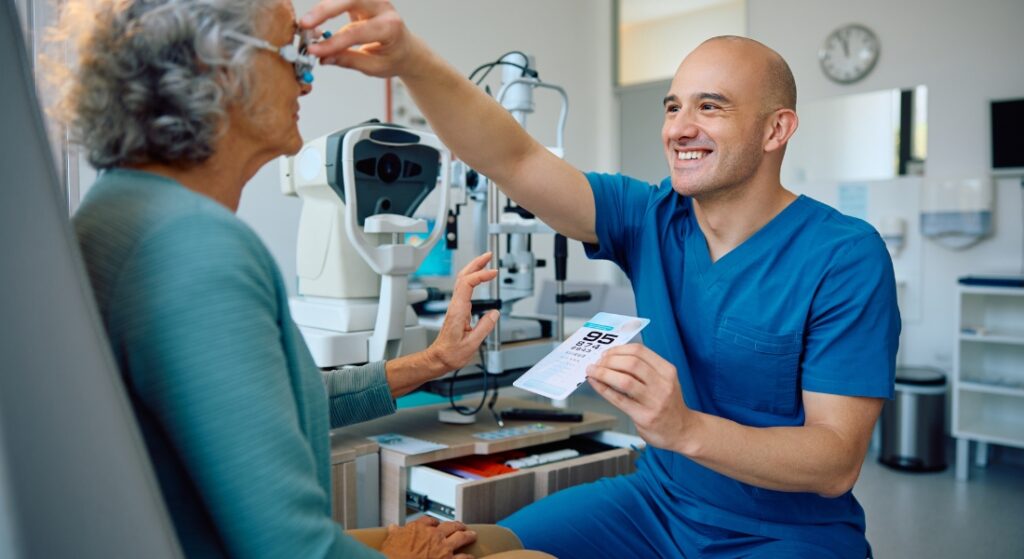
We focus on long-term vision preservation by ensuring glaucoma remains carefully managed after cataract surgery. While the procedure can significantly improve visual clarity, it does not treat or cure glaucoma, so ongoing care is essential. With regular follow-up and appropriate treatment, you can continue to protect your optic nerve and maintain functional vision.
When glaucoma is well controlled, many patients enjoy stable eyesight for years following surgery. By balancing cataract removal with careful pressure management, we aim to improve your quality of life without increasing the risk to optic nerve health. This measured approach helps ensure that visual gains are both meaningful and sustainable.
Key points to remember:
- Cataract surgery improves vision but does not cure glaucoma
- Ongoing glaucoma treatment remains necessary after surgery
- Regular eye examinations help detect changes early
- Stable eye pressure supports long-term optic nerve health
- Careful management allows you to enjoy improved vision safely
FAQs:
1. Is cataract surgery safe if you have normal-tension glaucoma?
You can feel reassured that cataract surgery is usually safe when normal-tension glaucoma is carefully managed. We take extra steps to protect the optic nerve throughout the process. You benefit from tailored surgical planning rather than a standard approach. With close monitoring, risks can be kept low and outcomes remain positive.
2. How does normal-tension glaucoma change the way surgery is planned?
You should expect more detailed preparation compared to routine cataract surgery. We focus on maintaining stability inside the eye rather than chasing pressure reduction alone. Surgical settings and techniques are adjusted to minimise stress on the optic nerve. This personalised planning supports safer visual improvement.
3. Will cataract surgery make your glaucoma worse?
You may worry about progression, but surgery does not usually worsen glaucoma when managed properly. We carefully control eye pressure before, during, and after the procedure. Improved clarity can even help us monitor glaucoma more accurately. Ongoing follow-up is key to maintaining stability.
4. Can cataract surgery lower your eye pressure if it is already normal?
You might see a small reduction in eye pressure after surgery, although this is not guaranteed. We do not rely on cataract surgery as a glaucoma treatment in this condition. Even modest changes can still be helpful for a sensitive optic nerve. Stability remains the main priority rather than large pressure drops.
5. Why is pressure stability more important than pressure reduction for you?
You should understand that sudden changes can be more harmful than slightly higher readings. We aim to avoid spikes or rapid drops that could stress the optic nerve. Controlled, steady pressure supports long-term nerve health. This is why surgical technique and monitoring are so important.
6. Should you consider combined glaucoma and cataract surgery?
You may hear about combined procedures, but they are not suitable for everyone. We only consider them if there is a clear benefit for your specific situation. Unnecessary intervention can introduce avoidable risks. A thorough assessment helps determine the safest option for you.
7. What vision improvements can you realistically expect after surgery?
You can usually expect clearer vision, brighter colours, and better contrast. We are careful to explain that existing glaucoma-related vision loss will not reverse. Removing the cataract helps you make better use of your remaining vision. Setting realistic expectations helps you feel satisfied with the outcome.
8. How closely will your eyes be monitored after cataract surgery?
You should expect more frequent check-ups than patients without glaucoma. We monitor eye pressure and optic nerve health closely in the early recovery period. Any changes are addressed quickly to reduce risk. This close follow-up supports long-term visual stability.
9. Will you need to continue glaucoma drops after surgery?
You will usually continue your glaucoma treatment unless we advise otherwise. Cataract surgery does not replace ongoing glaucoma management. We only adjust medications if there is a clear clinical reason. Consistency helps protect your optic nerve over time.
10. How can you support your eye health after cataract surgery?
You play an active role in recovery by following instructions carefully. We encourage correct use of eye drops and attending every follow-up visit. Healthy lifestyle choices also support optic nerve wellbeing. These combined efforts help you achieve the best possible long-term result.
Final Thoughts on Cataract Surgery and Glaucoma:
Normal-tension glaucoma requires a more thoughtful approach to cataract surgery, but it does not mean surgery should be avoided. Careful planning, pressure stability, and optic nerve protection are the priorities before and after the procedure. With experienced care, cataract surgery can safely improve vision while preserving long-term eye health.
If you have concerns about how cataract surgery may affect your condition, speaking with a specialist experienced in Glaucoma treatment alongside cataract surgery can provide clarity and reassurance. If you’re considering Glaucoma treatment in London, contact us at London Cataract Centre to book a consultation with one of our specialists.
References:
- Oo, H.H. et al., 2024. Angle-based minimally invasive glaucoma surgery combined with phacoemulsification effectively reduces IOP and anti-glaucoma medications in normal tension glaucoma: a meta-analysis. Journal of Glaucoma, [online] PubMed. Available at: https://pubmed.ncbi.nlm.nih.gov/38853535/
- Oxford Handbook of Ophthalmology, 2018. Glaucoma: Post‑cataract surgery and treatment considerations. Oxford Academic. Available at: https://academic.oup.com/book/29891/chapter/253260066
- Outcomes of minimally invasive glaucoma surgery (MIGS) in glaucoma patients with coexisting cataract: a systematic review and meta-analysis, 2025. PubMed. Available at: https://pubmed.ncbi.nlm.nih.gov/39912032/
- Penman, A.D., Crowder, K.W. and Watkins, W.M., 2020. Intraocular pressure reduction in the treatment of normal‑tension glaucoma: Collaborative Normal‑Tension Glaucoma Study (CNTGS). Oxford Medicine Online, pp.67–72. Available at: https://academic.oup.com/book/33123/chapter/284172762
- Virani, S. and Rewri, P., 2024. A narrative review of pharmacotherapy of glaucoma. Future Pharmacology, 4(2), pp.395–419. Available at: https://www.mdpi.com/2673-9879/4/2/22