


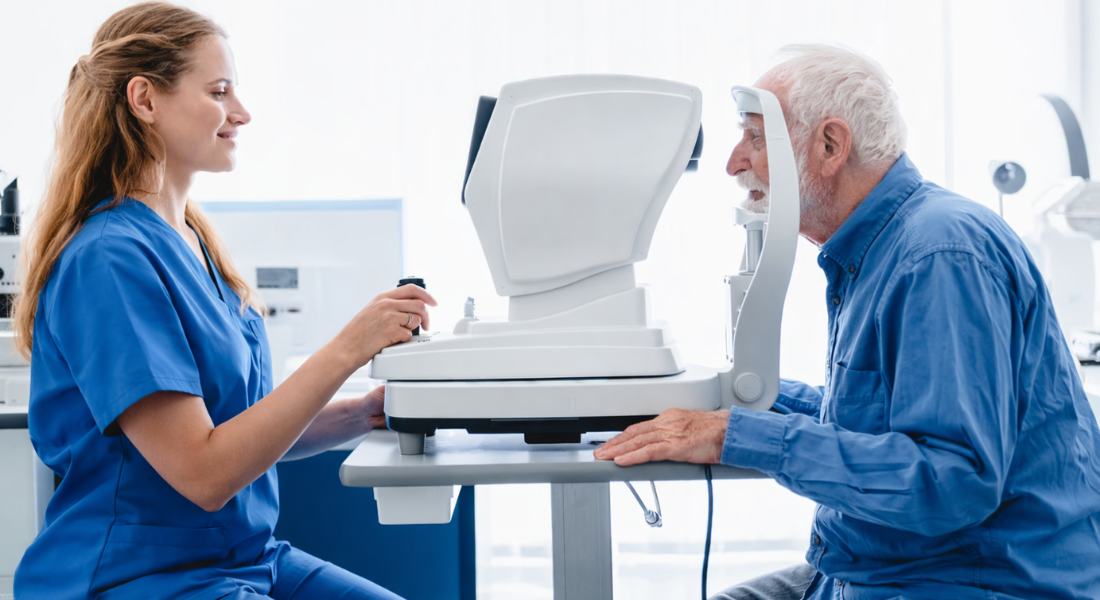
If you have been diagnosed with both glaucoma and cataracts, it is very common to feel unsure about which condition should be treated first. Many patients worry that cataract surgery could worsen glaucoma or that delaying glaucoma treatment could damage vision. These concerns are understandable and deserve clear explanation.
The timing of treatment depends on several clinical factors rather than a fixed rule. Eye pressure control, the stage of glaucoma, and how much the cataract affects daily vision all play a role. Modern surgical planning allows these elements to be balanced carefully.
In this article, we explain how specialists decide whether glaucoma should be treated before or after cataract surgery. We also discuss when combined procedures may be appropriate. The aim is to help you understand the reasoning behind these decisions.
Understanding How Glaucoma and Cataracts Interact
Glaucoma and cataracts often develop together, especially as you get older. Glaucoma affects the optic nerve and is closely linked to how well your eye pressure is controlled, while cataracts reduce visual clarity by clouding the natural lens. It’s common for both conditions to be present at the same time.
Although they are separate problems, they influence each other in important ways. Cataracts can make glaucoma monitoring less reliable by affecting visual field tests and optic nerve scans, which can make it harder to judge how stable your glaucoma really is. This can complicate decisions about treatment.
Treating one condition can also affect how the other is managed. Cataract surgery may change your eye pressure, while glaucoma surgery can influence visual recovery after cataract removal. Understanding how the two conditions interact helps you and your specialist decide on the safest timing and most effective treatment plan.
Why Timing Matters in Treatment Planning

The order in which your glaucoma and cataracts are treated can have a big impact on long-term results. If glaucoma is treated too late, there’s a risk of permanent optic nerve damage. On the other hand, delaying cataract surgery can unnecessarily affect your vision and overall quality of life.
Timing decisions are about finding the right balance between safety and visual improvement. Your specialist aims to protect your sight while minimising risk, based on how each condition is affecting you. This approach ensures treatment is planned around your individual needs, not just test results.
There isn’t a single treatment sequence that suits everyone. You might benefit from cataract surgery first, or you may need your glaucoma stabilised before anything else is done. In some situations, treating both conditions at the same time offers the best outcome for you.
Assessing the Severity of Glaucoma
The stage of glaucoma plays a central role in deciding the timing of treatment. Early glaucoma behaves very differently from advanced disease, and this distinction strongly influences clinical priorities. Understanding severity helps determine which condition needs to be addressed first.
- Early or mild glaucoma allows greater flexibility: In the early stages, the optic nerve is generally more resilient to pressure fluctuations. Eye pressure targets are often easier to control with drops or laser treatment, allowing cataract surgery to be performed safely first in many cases.
- Advanced glaucoma requires tighter pressure control: When glaucoma is more advanced, even small increases in eye pressure can pose a risk to remaining vision. Preserving existing optic nerve function becomes the primary goal, often meaning glaucoma treatment needs to take precedence.
- Severity helps guide surgical planning: The level of optic nerve damage influences whether procedures should be staged or combined. Careful assessment ensures that treatment sequencing protects vision while achieving the best overall outcome.
Assessing glaucoma severity allows surgeons to balance risk and benefit more accurately. It ensures treatment decisions are tailored to the individual rather than following a fixed rule. This personalised approach is key to preserving long-term vision.
The Importance of Eye Pressure Control
Eye pressure stability plays a central role when decisions are made about your treatment. If your eye pressure has been consistently well controlled, cataract surgery can usually go ahead safely. Your specialist looks at long-term pressure trends rather than relying on a single reading.
If your pressure remains high or fluctuates despite treatment, glaucoma may need to be addressed first. Uncontrolled pressure increases the risk of further optic nerve damage, so safety always comes first. In these cases, stabilising pressure helps protect your vision.
Eye pressure is assessed over time to build a clear picture of what’s happening in your eyes. This shows whether your glaucoma is stable or progressing. Treatment timing is then planned around this wider, more reliable view of your eye health.
When Cataract Surgery Is Often Performed First
Cataract surgery is often prioritised when your glaucoma is mild and stable. In these cases, cataract-related vision loss may be the main issue affecting your day-to-day life. Improving visual clarity can make everyday tasks easier and noticeably improve how you function.
Removing a cataract can also lead to a small reduction in your eye pressure for some people. While this doesn’t replace glaucoma treatment, it can be a helpful added benefit. The pressure-lowering effect varies from person to person, so it’s not guaranteed.
Clearer vision after cataract surgery also makes glaucoma monitoring more accurate. Your visual field tests and imaging scans are easier to interpret when the lens is clear. This helps your specialist manage your glaucoma more precisely going forward.
Situations Where Glaucoma Treatment Comes First
Glaucoma treatment takes priority when there are signs that the disease is progressing. Evidence of worsening visual fields or increasing optic nerve damage indicates an immediate risk to vision. In these situations, delaying intervention can lead to irreversible sight loss.
- Documented progression despite current treatment: If tests show ongoing deterioration, such as declining visual fields or structural optic nerve changes, pressure control becomes urgent. Stabilising glaucoma first helps prevent further permanent damage.
- Need for very low eye pressure targets: Advanced glaucoma often requires lower pressure levels than drops alone can safely achieve. Laser or surgical treatment may be necessary to reach these targets before cataract surgery is considered.
- Reducing risk during cataract surgery: Uncontrolled glaucoma increases the risk of pressure spikes during or after cataract surgery. Treating glaucoma first creates a more stable environment for later cataract removal.
Once glaucoma is stabilised, cataract surgery can usually be planned with greater confidence. A staged approach allows each condition to be managed at the right time. Timing is adjusted based on how the disease behaves, not a fixed schedule.
Understanding Combined Glaucoma and Cataract Surgery

In some situations, both glaucoma and cataracts can be treated during the same operation. This is known as combined surgery, where cataract removal and glaucoma treatment are performed together. It is not routine and is only recommended when it clearly benefits you. Careful planning is essential before choosing this approach.
Combined procedures are usually considered when your glaucoma already needs surgical treatment and your cataract is also affecting your vision. Treating both conditions at once can reduce the need for two separate operations. This may mean fewer hospital visits and a more streamlined recovery. For some people, it also simplifies long-term eye care.
However, combined surgery is not suitable for everyone. It comes with specific risks and may involve a more complex recovery than cataract surgery alone. Your eye specialist will assess your eye pressure, glaucoma severity, and visual needs before recommending this option. An individualised decision ensures the safest and most effective outcome for you.
Types of Combined Procedures Available
There are several types of combined procedures available, and the right one depends on your specific eye condition. These usually involve cataract surgery performed alongside a glaucoma procedure in the same operation. Your surgeon will choose the approach based on how advanced your glaucoma is and how much pressure reduction you need. The aim is always to achieve the safest and most effective result for you.
One common option is cataract surgery combined with minimally invasive glaucoma surgery, often called MIGS. This approach is usually suitable if you have mild to moderate glaucoma that still needs better pressure control. MIGS procedures are designed to be less disruptive to eye tissues. Because of this, recovery is often quicker and more comfortable for you.
If your glaucoma is more advanced, a traditional glaucoma operation may be needed alongside cataract removal. These procedures are more powerful in lowering eye pressure but are also more complex. Combining them with cataract surgery can be efficient, as it avoids two separate operations. Your surgeon will carefully assess whether this balance of benefit and risk is right for you.
How Cataracts Affect Glaucoma Monitoring
Cataracts can make it harder to monitor glaucoma accurately. When the lens becomes cloudy, visual field tests and optic nerve scans may be less reliable. As a result, it can be more difficult to tell whether your glaucoma is truly progressing or whether the changes are simply due to reduced clarity.
After cataract surgery, these tests are usually much clearer and more consistent. This gives your eye specialist greater confidence when assessing results and adjusting treatment if needed. Reliable measurements are essential when you’re managing glaucoma over the long term.
For this reason, cataract surgery may be considered earlier for some people with glaucoma. Clearer vision leads to better-quality test data, which supports better decision-making. In this way, improved clarity benefits both your eyesight and ongoing glaucoma monitoring.
The Role of Visual Symptoms in Decision-Making
Your visual symptoms are a key factor when deciding the timing of cataract surgery. If cataracts are noticeably affecting your ability to read, drive, or carry out everyday activities, surgery may be prioritised. After all, your quality of life matters.
Glaucoma, on the other hand, often causes vision changes that are subtle in the early stages. You might not notice any progression until the disease is more advanced, which is why objective testing is so important.
By balancing what you experience with clinical findings, your eye specialist can plan the best approach. The aim is to address both the way your eyes function day-to-day and the underlying structural changes, ensuring decisions are made with the full picture in mind.
Risks of Cataract Surgery in Glaucoma Patients
Cataract surgery is generally safe if you have glaucoma, but some risks can be slightly higher depending on how advanced your glaucoma is. The good news is that these risks are carefully managed by your eye care team.
For example, temporary spikes in eye pressure can happen after surgery. In most cases, these are easily controlled with medication. If your glaucoma is more advanced, your specialist will monitor you more closely to keep things under control.
With careful planning and surgical technique, experienced surgeons can minimise complications. Your safety remains the top priority throughout the process.
Long-Term Outcomes With Proper Timing
When the timing of cataract and glaucoma treatment is carefully planned, long-term outcomes are generally very positive. Vision can improve from cataract removal while glaucoma progression remains under control. Achieving this balance supports sustained eye health and quality of life.
- Improved vision without compromising glaucoma control: Proper sequencing allows cataract surgery to restore clarity while ensuring the optic nerve is protected. This approach minimises the risk of vision loss from pressure fluctuations.
- Patient confidence through understanding: Patients who are informed about why timing decisions are made often feel more secure in their care. Clear communication about risks, benefits, and expected results helps reduce anxiety.
- Individualised care enhances long-term results: Modern glaucoma and cataract management is tailored to each patient’s needs. Thoughtful planning and careful sequencing protect vision over the long term and maximise surgical success.
When timing is optimised, patients benefit from both clearer vision and preserved optic nerve function. Education, communication, and individualised planning make a meaningful difference.
The Role of Specialist Assessment
Timing decisions for cataract surgery in people with glaucoma should always involve a specialist assessment. Managing both conditions requires experience and expertise, and a personalised evaluation is essential.
Your specialist will look at your optic nerve health, eye pressure trends, and your visual needs all together. This holistic approach helps ensure decisions are safe and effective, rather than relying on a one-size-fits-all strategy.
Regular follow-up is also important, as your eyes can change over time. Flexible, ongoing care helps achieve the best long-term outcomes for both your vision and glaucoma management.
Questions Patients Often Ask About Timing

A common concern is whether treating one condition could make the other worse. With careful planning, this risk is very low, and modern surgical techniques are designed to keep outcomes safe.
Some patients worry about having to undergo multiple surgeries. In certain cases, combined procedures can reduce the need for separate operations, though not everyone will require this approach.
Having an open discussion with your specialist helps address these concerns. Understanding the reasoning behind the timing of treatment can build trust and help you feel more confident and informed about your care.
Making an Informed Decision
In the end, the timing of cataract surgery when you have glaucoma is a very personal decision. It’s guided by your specific eye health and clinical findings, rather than any rigid rules.
You should feel encouraged to ask questions and fully understand your options. Making decisions together with your specialist known as shared decision-making often leads to greater confidence and satisfaction with your care.
Clear communication is key to achieving the best outcomes. Timing decisions are part of long-term eye care, and thoughtful planning helps protect your vision for years to come.
FAQs
1. Will cataract surgery make my glaucoma worse?
Cataract surgery does not usually make glaucoma worse when it is carefully planned. In fact, for some people, eye pressure may slightly improve after the cataract is removed. The key factor is how stable your glaucoma is before surgery. Your specialist monitors pressure closely before and after the procedure to protect your optic nerve.
2. Should glaucoma always be treated before cataract surgery?
Glaucoma does not always need to be treated first. If your glaucoma is mild and well controlled, cataract surgery may safely be performed first to improve vision and help with monitoring. When glaucoma is advanced or progressing, stabilising pressure beforehand is often more important. The decision depends on your individual risk profile.
3. Can cataract surgery lower eye pressure on its own?
Cataract surgery can lower eye pressure slightly in some patients, particularly those with open-angle glaucoma. However, this pressure reduction is usually modest and cannot replace glaucoma treatment when the disease requires stricter control. Your specialist will not rely on cataract surgery alone if your glaucoma needs targeted pressure reduction.
4. Is it risky to delay glaucoma treatment while waiting for cataract surgery?
Delaying glaucoma treatment can be risky if there is evidence of progression. Glaucoma damage is permanent, so protecting the optic nerve takes priority when pressure is unstable. If your glaucoma is stable, short delays are often safe. This is why regular monitoring is essential while planning surgery.
5. When is combined cataract and glaucoma surgery recommended?
Combined surgery is usually recommended when your glaucoma needs surgical control and your cataract is already affecting vision. Treating both conditions together can reduce the need for separate operations and repeated recovery periods. Not everyone is suitable for combined surgery, so careful assessment is required.
6. Does combined surgery increase recovery time?
Recovery after combined surgery can be slightly more complex than cataract surgery alone, but many patients recover well with proper follow-up. Vision may take longer to stabilise depending on the glaucoma procedure used. Your specialist will explain what to expect so you can plan accordingly.
7. Will I still need glaucoma drops after cataract surgery?
Many patients continue using glaucoma drops after cataract surgery. Some may need fewer medications, while others require the same treatment as before. The aim is always to maintain safe eye pressure rather than eliminate drops completely. Your treatment plan is adjusted based on how your eye responds.
8. How does cataract surgery improve glaucoma monitoring?
Removing a cataract improves the clarity of visual field tests and optic nerve scans. This makes it easier for your specialist to detect subtle changes in glaucoma progression. Clearer results lead to more confident treatment decisions, which is especially valuable in long-term care.
9. Can glaucoma surgery affect my cataract surgery results?
Previous glaucoma surgery can influence cataract surgery planning, but good outcomes are still common. Your surgeon adapts the technique to protect existing drainage pathways and avoid pressure problems. With experienced care, vision improvement is usually achieved safely.
10. How do I know which treatment order is right for me?
The right order depends on your eye pressure trends, optic nerve health, visual symptoms, and lifestyle needs. There is no universal rule that applies to everyone. A specialist assessment allows you to understand the reasoning behind the recommendation, helping you feel confident in the chosen approach.
Final Thoughts: Making the Right Decision for Your Eyes
If you’re dealing with both cataracts and glaucoma, it’s completely normal to feel uncertain about what should be treated first. The most important thing to understand is that there is no single rule that applies to everyone. Decisions about timing are based on how stable your eye pressure is, how advanced your glaucoma may be, and how much your cataract is affecting your daily life. When these factors are carefully balanced, outcomes are usually very positive.
Modern eye care allows treatment plans to be highly personalised. Whether cataract surgery comes first, glaucoma treatment takes priority, or both are addressed together, the aim is always the same: to protect your long-term vision while improving your quality of life. Clear explanations and careful monitoring help ensure that you feel confident throughout the process.
If you’re thinking about glaucoma treatment in London, you can get in touch with us at London Cataract Centre. Our specialists will assess your eyes in detail, explain your options clearly, and help you decide on the safest and most effective treatment plan for your individual needs.
References:
1. Ling, J.D., et al. (2018) Role of cataract surgery in the management of glaucoma, Journal of Ophthalmology. https://pmc.ncbi.nlm.nih.gov/articles/PMC5992498/
2. Zhang, M.L., et al. (2015) Combined surgery versus cataract surgery alone for eyes with cataract and glaucoma, Cochrane Database of Systematic Reviews. https://pmc.ncbi.nlm.nih.gov/articles/PMC4730948/
3. Hayakawa, Y. and Inada, T. (2024) Background of minimally invasive glaucoma surgery (MIGS)-adapted patients for cataract surgery in glaucoma, Journal of Clinical Medicine, 13(18), 5378. https://www.mdpi.com/2077-0383/13/18/5378
4. Herspiegel, W.J. (2024) Optimal timing for intraocular pressure measurement after phacoemulsification cataract extraction, Vision, 8(4), 65. https://www.mdpi.com/2411-5150/8/4/65
5. Torbey, J. (2024) Cataract surgery combined with glaucoma: surgical management and IOP outcomes, Journal of Glaucoma Surgery Review. https://pubmed.ncbi.nlm.nih.gov/39508422/