



Monovision, where one eye is corrected for distance and the other for near vision, can be a great solution for some patients after cataract surgery. However, many people wonder if they’re “locked in” once they’ve chosen this option, especially if they’re unsure about the results. Understanding what aspects of monovision are adjustable and how it can be reversed helps ease those concerns.
While monovision is designed to reduce the need for reading glasses, it does have its trade-offs. For some patients, it works well, but for others, it can lead to discomfort or dissatisfaction. Fortunately, in most cases, reversal or adjustment is possible, but it depends on several factors.
In this article, we explain when monovision is adjustable or reversible, what procedures may be involved in making changes, and how surgeons approach second opinions when patients are unhappy. By the end of this guide, you’ll have a clearer understanding of your options if you’re reconsidering monovision after cataract surgery.
What is Monovision After Cataract Surgery?
Monovision is a technique used to help you manage presbyopia, which is the natural age-related difficulty in focusing on close objects. During cataract surgery, one of your eyes is usually corrected for clear distance vision, while the other is set to focus better up close. This allows you to see at different distances without relying heavily on reading glasses.
For many people, monovision works very well and feels quite natural once the brain adapts. Your eyes work together, with each one handling a different visual task. Over time, you may find daily activities like reading or using your phone much easier without extra eyewear.
However, monovision does not suit everyone. Some people notice issues with depth perception, visual balance, or overall comfort, especially in low-light situations. If this happens, you may feel that your vision isn’t as clear or stable as you expected.
The good news is that monovision is not a permanent situation if you’re unhappy with the results. You have options, such as glasses, contact lenses, or further treatment, to adjust or reverse the setup. Understanding these possibilities helps you feel confident and informed about your choices.
Is Monovision Reversible?
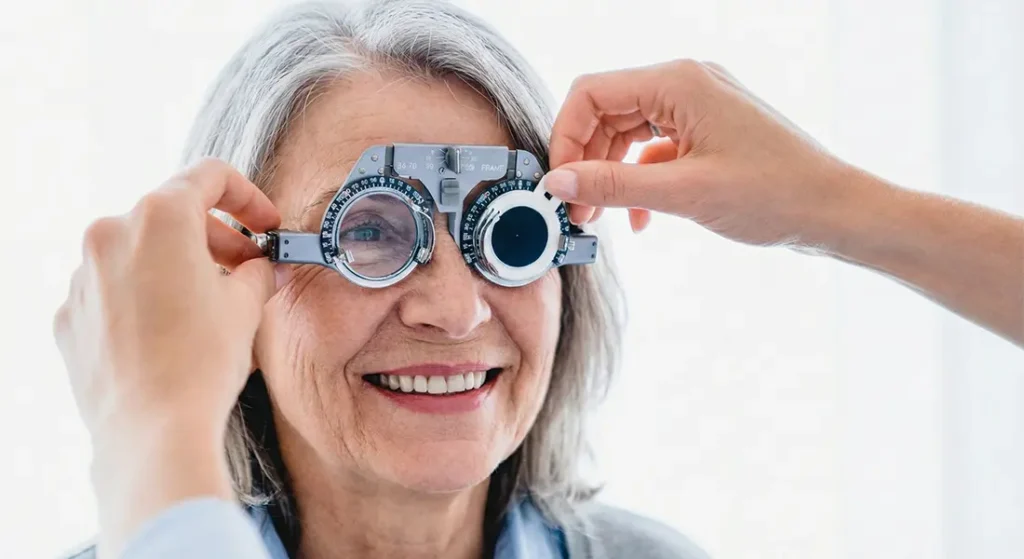
If you’re worried that choosing monovision might leave you locked into a result you can’t change, it’s completely understandable and reassuringly, that’s rarely the case. Monovision is designed to be flexible, not permanent in a way that traps you in discomfort. If it doesn’t feel right for your lifestyle or visual needs, there are usually ways to adjust or refine the outcome.
1. Adjustments can often be made: If monovision doesn’t feel comfortable for you, your surgeon may be able to adjust the balance between your eyes. This can involve fine-tuning the focus in one or both eyes to improve comfort and clarity.
2. Options depend on the type of lens you have: If you’ve had monofocal lenses implanted and you’re unhappy with either near or distance vision, changing the lens power may help restore better balance. This is discussed carefully based on your visual needs.
3. Switching lens strategy is sometimes possible: In certain cases, switching to a different type of intraocular lens (such as a multifocal lens) may be an option. This can help provide clearer vision across multiple distances if monovision isn’t right for you.
4. You are not permanently locked in: Many people worry they’ve made an irreversible decision, but in reality, there are often several ways to improve satisfaction after surgery.
5. Early discussion makes a difference: If something doesn’t feel right, speaking to your eye surgeon early gives you the best chance of finding a solution that works for you.
Monovision is designed to be flexible and patient-centred. If it doesn’t suit you, there are usually safe and effective ways to adjust your vision so you feel comfortable and confident again.
When Reversal or Adjustment Is Possible
Reversing or adjusting monovision is usually easier if you have a monofocal lens. In this case, the lens can often be exchanged for a different power or adjusted to change the focus of one or both eyes. If you’ve chosen a multifocal or other premium IOL, adjustments can be more complex and depend on the specific lens type.
Your surgeon will carry out a detailed assessment to see whether reversal is suitable for you. This includes checking your eye health, visual demands, and how well your eyes have healed. Reversal is often more straightforward if the lens is well positioned and you are still within the ideal timeframe for adjustment.
In some situations, additional healing time may be needed before any changes are made. Your surgeon may recommend waiting until your vision stabilises so the best possible decision can be made. This approach helps reduce unnecessary risks.
If an adjustment cannot be achieved with simpler measures, a follow-up procedure may be required. This could involve removing or replacing the intraocular lens. Discussing all available options with your surgeon ensures you fully understand the process and feel confident about the next steps.
How Surgeons Approach Second Opinions
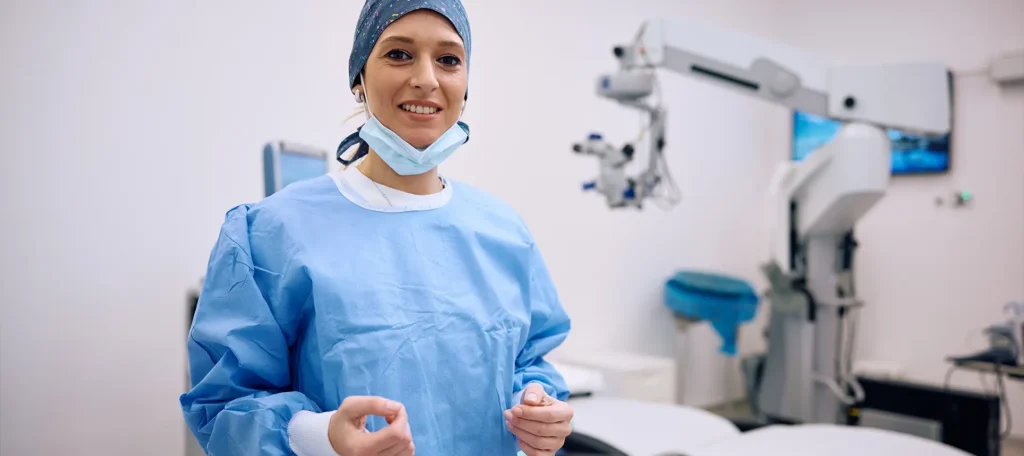
If you’re unsure whether monovision was the right choice for you or you’re unhappy with the results, seeking a second opinion is always an option. Surgeons who specialise in cataract surgery are usually open to offering a fresh perspective and discussing alternative solutions. They can review your situation and suggest options that better suit your visual needs.
A second opinion can be especially helpful if you feel your concerns weren’t fully addressed during your first consultation. Your new surgeon will look closely at your medical history, current eye health, and previous test results. This allows them to recommend a clear and personalised plan moving forward.
Ultimately, the goal of cataract surgery is to improve your vision and your quality of life. If monovision isn’t working for you, a second opinion can help you feel reassured and guide you towards a solution that leaves you confident and comfortable with your vision.
Factors That Affect Monovision Adjustment
Several factors influence how easily monovision can be adjusted after cataract surgery. Your overall eye health, the type of intraocular lens used, and how well your eyes have healed all play an important role. If you’ve had previous eye surgeries, your eyes may respond differently to any adjustments.
Your age and lifestyle also matter when it comes to adapting to monovision. If you rely heavily on close-up work, screens, or detailed tasks, you may find the visual imbalance more noticeable. People with active or visually demanding lifestyles often become aware of these challenges sooner.
How quickly you raise concerns can make a difference as well. Early discussion allows your surgeon to explore simpler options before healing is complete. This can make adjustments more straightforward and less invasive.
In some cases, non-surgical options such as glasses or contact lenses can help improve your comfort. These solutions may be used temporarily to help you adapt or to give you clarity while deciding on a more permanent approach.
When to Consider Other Options
If you feel that monovision isn’t working well for you, it’s important to remember that you still have options. Cataract surgery isn’t a one-size-fits-all solution, and feeling uncomfortable or dissatisfied doesn’t mean you’ve made a mistake. Sometimes, your eyes simply need a different approach to achieve clear, balanced vision that feels natural in everyday life.
1. Multifocal or accommodating lenses: If you’re struggling with monovision, multifocal or accommodating intraocular lenses (IOLs) may be an option. These lenses are designed to give you clearer vision at multiple distances, reducing your dependence on glasses.
2. Persistent discomfort or visual dissatisfaction: If you’re finding everyday tasks difficult or your vision feels unbalanced even after the adaptation period, it’s a good time to explore other solutions. Your experience matters, and discomfort shouldn’t be ignored.
3. Discuss options with your surgeon early: Talking openly with your surgeon allows them to assess what’s causing the problem and recommend alternatives, such as a different IOL or additional corrective procedures.
4. Tailored solutions for better comfort: There’s no single “best” option for everyone. Exploring alternatives helps you find an approach that suits your lifestyle, visual needs, and expectations.
5. Focus on visual harmony: The aim isn’t just clear vision, but comfortable, balanced vision that feels natural to you. Finding the right solution can make a meaningful difference to your confidence and quality of life.
If monovision doesn’t suit you, it doesn’t mean something has gone wrong. It simply means your eyes may need a different strategy to achieve the comfort and clarity you deserve.
How Long Does It Take to Adjust to Monovision?
Adjusting to monovision can take a little time, especially if you’ve never experienced it before. Some people adapt quite quickly, while others need longer for their brain to get used to each eye focusing at a different distance. For most patients, this adjustment period lasts a few weeks.
During this time, your brain gradually learns how to combine the two different focus points into a comfortable visual experience. You may notice moments of imbalance or reduced depth perception at first, but this often improves as adaptation takes place. Patience is an important part of this process.
If you’re still struggling after several weeks or feel that things aren’t improving, it’s important to speak with your surgeon. They can assess whether your monovision setup needs adjusting or whether another option would suit you better. With the right guidance, you can still achieve clear and comfortable vision after cataract surgery.
FAQs:
1. What exactly is monovision after cataract surgery?
Monovision is a technique used to help you manage presbyopia, which is the age-related difficulty in focusing on close objects. During your cataract surgery, one eye is usually corrected for clear distance vision, while the other is set to focus better up close. This allows you to see at different distances without relying too heavily on reading glasses. Over time, your brain adapts, and many people find everyday tasks like reading, using a phone, or driving much easier without extra eyewear.
2. Can monovision be reversed if I’m not happy with it?
Yes, monovision is rarely permanent in a way that leaves you “stuck.” If you feel uncomfortable or dissatisfied with how your vision works, there are usually ways to adjust or reverse it. Depending on the type of lens you have and your eye health, your surgeon may be able to fine-tune the focus of one or both eyes, change lens power, or even switch to a different lens type such as a multifocal lens. Early discussions with your surgeon make finding a solution much easier.
3. How do I know if I can have monovision adjusted?
Adjustment is often possible if you have a monofocal lens, where the lens can be exchanged or its focus altered. For multifocal or premium lenses, adjustments can be more complex and depend on the lens type. Your surgeon will assess your eye health, visual needs, and healing progress before deciding the safest and most effective approach for you. In some cases, waiting until your vision stabilises ensures the best outcome.
4. What are my options if simple adjustments don’t work?
If adjustments through lens fine-tuning aren’t enough, further procedures may be considered. This could involve removing or replacing the intraocular lens to achieve better visual balance. Non-surgical solutions, such as glasses or contact lenses, can also be used temporarily to improve comfort while you consider a permanent option. Your surgeon will guide you through each choice, ensuring you understand the process and feel confident about next steps.
5. How can a second opinion help me if I’m unhappy with monovision?
Seeking a second opinion can provide reassurance and new perspectives on your vision. Another cataract specialist can review your medical history, current eye health, and previous tests to recommend personalised solutions that better suit your needs. If your concerns weren’t fully addressed before, a fresh assessment can help identify alternative approaches, allowing you to regain confidence in your vision.
6. What factors affect how easily monovision can be adjusted?
Several factors influence adjustments. Your overall eye health, type of lens, healing progress, age, lifestyle, and previous eye surgeries all play a role. People who do a lot of close-up work or use screens extensively may notice imbalances sooner. Raising concerns early allows simpler options to be explored before your eyes fully heal, which can make adjustments smoother and less invasive.
7. When should I consider alternatives to monovision?
You should explore other options if monovision leaves you with persistent discomfort, difficulty with daily tasks, or an unbalanced visual experience. Feeling dissatisfied doesn’t mean you’ve made a mistake; it simply indicates that a different lens type or approach might suit your eyes better. Multifocal or accommodating lenses, for example, can provide clear vision across multiple distances and reduce your dependence on glasses.
8. How long does it take to adjust to monovision?
Adjusting to monovision can vary from person to person. Some adapt quickly, while others need a few weeks for the brain to learn how to combine the different focus points of each eye. During this adjustment period, you may notice occasional imbalance or reduced depth perception, but this usually improves as your brain adapts. Patience is key, and if difficulties persist, your surgeon can advise on potential adjustments.
9. Is it normal to experience discomfort or imbalance at first?
Yes, initial discomfort or visual imbalance is quite common, especially in low-light situations. Your brain is learning to rely on one eye for distance and the other for near vision, which can feel unusual at first. Most people notice gradual improvement as they adapt, but if the imbalance continues or interferes with daily life, it’s important to discuss it with your surgeon to explore adjustments or alternatives.
10. What is the main goal of considering monovision reversal or alternatives?
The ultimate aim is to achieve comfortable, balanced vision that works naturally for you. It’s not just about seeing clearly but also about feeling confident and at ease in your everyday life. By discussing concerns with your surgeon and exploring adjustment options or different lenses, you can find a solution that restores visual comfort and improves your overall quality of life.
Final Thoughts on Monovision After Cataract Surgery
Monovision after cataract surgery can offer a convenient solution to reduce your reliance on reading glasses, but it isn’t a one-size-fits-all approach. Your experience may vary, and it’s completely normal to need time to adjust or even explore alternatives if monovision doesn’t feel quite right. The good news is that most monovision setups are flexible, and with the right guidance, adjustments or reversals are often possible to restore comfort and clarity in your vision.
If you are considering Monovision cataract surgery in london, you can book a consultation with our specialist at the London Cataract Centre to discuss your options and ensure your vision is tailored to your lifestyle and needs.
References:
1. Enhanced Monovision Intraocular Lenses: Current Status and Future Perspectives Systematic Review. https://www.mdpi.com/2227-9059/14/1/74
2. The Influence of the Level of Monovision upon Early Outcomes Following Bilateral Implantation of an Enhanced Monovision Intraocular Lens. https://www.mdpi.com/2411-5150/9/2/41
3. A Systematic Review of Pseudophakic Monovision for Presbyopia Correction. https://pmc.ncbi.nlm.nih.gov/articles/PMC5515155/
4. Case Report of the Evidence of a Spontaneous Reverse Pulfrich Effect in Monovision After Cataract Surgery. https://pmc.ncbi.nlm.nih.gov/articles/PMC10290313/
5. Ten‑Year Outcomes of Pseudophakic Mini‑Monovision Correction of Hyperopic Presbyopia. https://pubmed.ncbi.nlm.nih.gov/36729769/