


If you’ve been thinking about getting multifocal intraocular lenses (IOLs), you may be hoping for the freedom that comes from reducing or eliminating your need for glasses. Many people look forward to the convenience of seeing clearly at multiple distances, but if you also struggle with dry eyes, you may be wondering whether multifocal lenses are truly suitable. Dry eye is incredibly common, particularly as we age, and it can affect everything from comfort to visual clarity. So, it’s natural to question whether the combination of dry eyes and multifocal lenses will lead to blurry vision, discomfort, or reduced satisfaction.
In this article, I want to walk you through everything you need to know. I’ll explain how the tear film affects multifocal lens performance, why dry eyes can impact your clarity, and how surgeons determine whether you’re still a good candidate. You’ll also learn about pre-surgery treatment strategies, expectations after surgery, and what you can realistically achieve if you have dry eye symptoms.
By the end, you’ll feel much clearer about whether multifocal lenses are right for you and what steps can help you get the best results.
Understanding Dry Eyes and Why They Happen
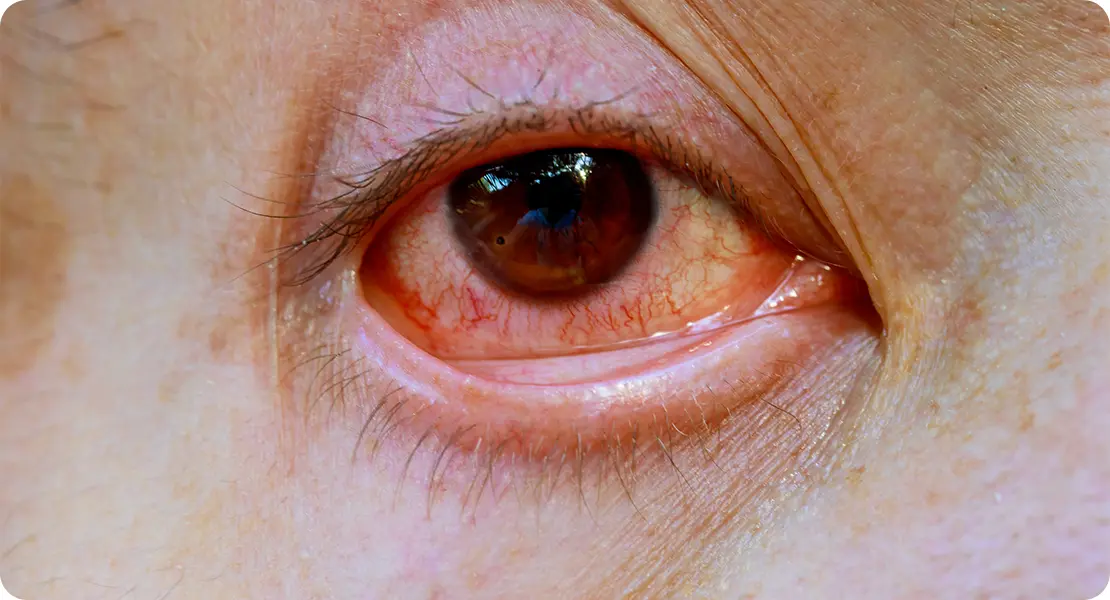
Dry eye is more than just a lack of tears. It’s a multifactorial condition where your tear film becomes unstable, evaporates too quickly, or lacks essential components. This leads to irritation, fluctuating vision, and discomfort. You may notice stinging, burning, heaviness, redness, or watery eyes that paradoxically occur because your eyes are trying to compensate for dryness.
There are two main types of dry eye: aqueous-deficient and evaporative. Aqueous-deficient dry eye happens when your eyes don’t produce enough of the watery layer of your tears. Evaporative dry eye, which is more common, happens when your tears evaporate too quickly, often due to blocked meibomian glands. In reality, most people experience a combination of both types.
Dry eyes can be triggered by ageing, hormonal changes, medications, environmental factors, medical conditions such as blepharitis or rosacea, or lifestyle elements like prolonged screen time. If you already have dry eyes, cataract surgery or lens replacement surgery can temporarily worsen symptoms because the nerves on the corneal surface take time to recover.
Understanding this is key to knowing how multifocal lenses interact with your tear film and why dryness can affect visual performance.
How the Tear Film Affects Your Vision
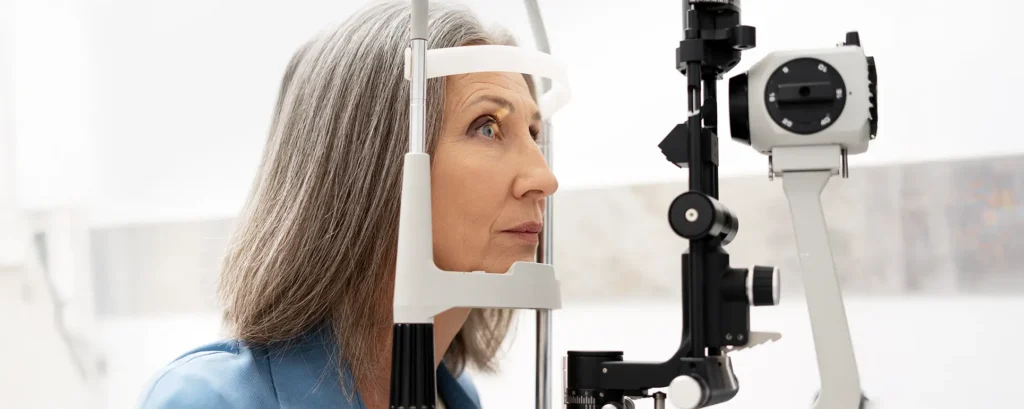
Your tear film plays a vital role in how sharply and comfortably you see. It’s the first optical layer that light passes through before entering your eye, so when it becomes unstable, breaks up quickly, or dries out, your vision can fluctuate and become hazy.
A healthy tear film helps light travel smoothly across your cornea. When the tear film is disrupted, the light scatters, and you may notice:
- Blurred or inconsistent vision
- Glare or halos around lights
- Difficulty focusing for long periods
- Eyes that feel tired or strained
- Fluctuations from minute to minute
When you pair this with multifocal lenses, the effect becomes even more noticeable. Multifocal IOLs have multiple focal points built into the optic, allowing you to see at various distances without glasses. This design means the lens divides light in a specific way, and any irregularity on the tear film makes that split light scatter more easily.
This is why surgeons look closely at the tear film before recommending multifocal lenses. A stable tear film helps ensure the lens performs as intended, while an unstable one can create visual disturbances.
How Multifocal Lenses Work
Multifocal intraocular lenses are designed to give you clear vision at several distances typically near, intermediate, and far. Unlike monofocal lenses, which focus light at a single distance, multifocal lenses use zones or rings to distribute light through different focal points.
When light enters your eye, the multifocal lens sends some of it to your distance vision, some to your intermediate vision, and some to your near vision. Your brain then adapts and learns how to use the different signals. When everything works well, you can enjoy a wide range of clear vision with minimal reliance on glasses.
However, because multifocal lenses split the incoming light, they require a smooth tear film to produce crisp and stable images. Any tear-film disruption can make that split light behave unpredictably. This is why dry eyes can have a greater impact on clarity when you have a multifocal lens compared to a monofocal one.
Why Dry Eyes Can Affect Multifocal Lens Performance

When you already have dry eyes, your tear film may not be stable enough to support the demands of a multifocal IOL. Even small tear-film breakups can create visual fluctuations. You might notice glare, halos, ghosting, or a softening of detail, especially in low-light conditions.
This doesn’t mean you can’t have a multifocal lens if you have dry eyes. It simply means your dry eye must be treated properly beforehand. Many patients with dry eyes go on to enjoy excellent results with multifocal lenses once their tear film is stabilised.
Dry eye affects multifocal lenses more than monofocal ones because multifocal designs rely on precise light distribution. Monofocal lenses send all light to a single focal point, which means they are more forgiving when the tear film is irregular. With multifocal lenses, the slightest instability can split the light incorrectly, creating glare or distortions.
Why Surgeons Take Dry Eyes So Seriously Before Recommending Multifocal Lenses
A large part of the suitability assessment for multifocal lenses involves your tear-film stability. Before recommending these lenses, your surgeon will look at your tear breakup time (TBUT), corneal staining, meibomian gland health, tear osmolarity, and signs of inflammation.
If your tear film breaks up too quickly or if the corneal surface is irregular, multifocal lenses may not perform optimally. Your surgeon wants to give you the best chance of being satisfied with your vision, and that requires a stable tear film. Surgeons aim to avoid unnecessary glare or halos, particularly if they can be prevented through better dry eye management. Your pre-surgery assessment may include advanced testing to understand how stable your tear film truly is. Proper dry eye treatment is often the deciding factor. If your dryness is mild and responsive to treatment, you may still be an ideal candidate.
Common Dry Eye Symptoms That May Influence Your Experience
If you have dry eyes, you might already be familiar with symptoms such as discomfort, irritation, or fluctuating vision. Dry eye is more than just occasional dryness it can affect how clearly you see and how comfortable your eyes feel throughout the day. Understanding these symptoms is important, especially if you are considering multifocal IOLs, as they can influence your overall visual experience.
- Burning or stinging
You may feel a persistent burning or stinging sensation, especially after prolonged reading or screen use. This discomfort can make it harder to keep your eyes open for long periods. Treating the underlying dryness can significantly reduce this irritation. - Redness
Your eyes may appear red or bloodshot due to inflammation from insufficient lubrication. This can be more noticeable in the morning or after exposure to irritants like smoke or dust. Redness often signals that your eyes need additional moisture or treatment. - A gritty sensation
It can feel as though sand or tiny particles are constantly in your eyes. This gritty feeling often worsens with dry environments or long hours of visual focus. Lubricating drops or gels can help soothe this sensation. - Eyelid heaviness
Dry eyes can make your eyelids feel unusually heavy or tired. This sensation can lead to frequent blinking or the need to rest your eyes more often. Managing dryness can restore a feeling of lightness and comfort. - Fluctuating vision
Your vision may blur or fluctuate throughout the day, making tasks like reading or driving more difficult. These fluctuations often worsen when your eyes are dry or fatigued. Proper dry eye care can stabilise your vision and improve clarity. - Sensitivity to wind or air conditioning
Your eyes may feel uncomfortable or tear up when exposed to wind, fans, or air conditioning. These environmental factors can rapidly exacerbate dryness. Protecting your eyes and using lubricants can reduce this sensitivity. - Watery eyes due to reflex tearing
Paradoxically, dry eyes can trigger excessive tearing as your eyes try to compensate for dryness. These tears often feel watery but do not provide proper lubrication. Treating the underlying dryness helps prevent this reflex tearing and improves comfort.
If you like, I can also rewrite this section in a more flowing, paragraph-style version that reads smoothly for a blog or patient guide. Do you want me to do that?
How Your Surgeon Determines Whether You’re Suitable for Multifocal Lenses
Suitability for multifocal lenses depends on a thorough evaluation of your eyes and overall health. During your consultation, your surgeon will examine several key factors, including:
- Tear-film quality – to assess how well your eyes stay lubricated.
- Tear breakup time – to determine how quickly your tears evaporate.
- Meibomian gland function – essential for maintaining a healthy oily layer in your tears.
- Ocular surface staining – which highlights areas of dryness or damage.
- Corneal health – to ensure your cornea can support optimal vision.
- Your visual expectations – understanding what tasks and distances are most important to you.
- Your lifestyle – such as work, hobbies, and screen time.
- Presence of medical conditions – including blepharitis, rosacea, or autoimmune disorders that may affect eye health.
The goal of this assessment is to determine whether your dry eye can be stabilised enough to support a multifocal lens. Many people with dry eyes remain suitable candidates after following a tailored pre-surgery treatment plan. Others may achieve better results with a monofocal or extended-depth-of-focus lens.
Ultimately, your surgeon’s priority is to help you achieve clear, comfortable vision after surgery, and properly assessing your dry eyes is a crucial step in this process.
Treating Dry Eyes Before Multifocal Lens Surgery
If you have dry eyes, treating the condition before surgery can make a dramatic difference. You may initially feel worried that your dry eyes disqualify you, but in reality, many patients become excellent candidates once their tear film improves.
Some of the most common pre-surgery dry eye treatments include:
Prescription Eye Drops: Anti-inflammatory drops can reduce inflammation on the ocular surface. This helps stabilise the tear film so that your vision becomes more consistent.
Lid Hygiene and Warm Compresses: If you have meibomian gland dysfunction, warm compresses can help improve oil secretion and reduce tear evaporation.
Omega-3 Supplements: Many surgeons recommend omega-3 supplements to improve gland function and support long-term tear stability.
Punctal Plugs: These tiny plugs block tear drainage channels, helping your eyes retain moisture for longer. Some patients experience significant improvement with this simple treatment.
In-Clinic Procedures: Treatments such as IPL (intense pulsed light), LipiFlow, or other thermal pulsation technologies can help open blocked glands and improve overall tear-film quality.
Avoiding Environmental Triggers: Reducing screen time, avoiding wind exposure, and using humidifiers can all help stabilise your tear film.
These treatments strengthen your tear film so that you can achieve clearer, more consistent vision with a multifocal IOL.
What Happens If Dry Eyes Aren’t Treated Before Surgery?
Dry eyes are more than a minor inconvenience they can significantly affect how well your eyes respond to multifocal lenses. If left untreated before surgery, even a perfectly placed lens may not provide the sharp, comfortable vision you expect. Understanding the potential complications of untreated dry eyes can help you prepare better and achieve the best possible results from your procedure.
- Increased glare or halos – especially at night or in low-light conditions.
- Difficulty adjusting to the lens – making daily tasks like reading, driving, or computer work more challenging.
- Fluctuating vision throughout the day – as your eyes alternate between clear and blurred vision.
- Blurry images when your tear film breaks down – even if the lens itself is functioning correctly.
- Eye strain and fatigue – due to constant effort to focus and compensate for dryness.
- Sensitivity to light – making bright sunlight or indoor lighting uncomfortable.
- Watery eyes from reflex tearing – paradoxically caused by dryness, which can blur vision.
- Redness or irritation – leading to discomfort and difficulty wearing lenses comfortably.
- Reduced depth perception or contrast sensitivity – affecting precision tasks and overall visual quality.
- Decreased overall satisfaction with your surgical outcome – leaving some patients frustrated despite a well-placed lens.
Many patients mistakenly attribute these issues to the multifocal lens itself, but the underlying cause is usually tear-film instability. Once the tear film is restored through proper dry eye management, most of these symptoms improve significantly.
This is why surgeons emphasise treating dry eyes before surgery. Addressing dryness isn’t a barrier to getting multifocal lenses it’s an essential step to ensure your eyes are fully prepared for the best possible visual outcome.
How Cataract or Lens Surgery Itself Can Affect Dry Eyes
It’s important to understand that cataract and lens replacement surgery can temporarily worsen dry eye symptoms. The small incisions made during surgery affect the nerves on the cornea, which play a key role in signalling your eyes to produce tears. As these nerves regenerate, you may notice increased dryness for several weeks or even a few months. For anyone choosing a multifocal lens, this temporary dryness can amplify visual fluctuations. Fortunately, with proper aftercare and ongoing treatment such as lubricating drops, anti-inflammatory medications, warm compresses, and regular follow-ups these symptoms generally improve as the nerves heal and the tear film stabilises. Once your dry eyes settle, your multifocal lens performance becomes much clearer and more stable.
How Multifocal Lenses Perform When Dry Eyes Are Well Managed
The good news is that many people with dry eyes enjoy excellent results with multifocal lenses once their tear film is healthy. When dryness is under control, multifocal lenses can deliver clear vision at multiple distances with reduced reliance on glasses. You may experience crisp distance vision, comfortable intermediate vision, and the freedom to read without needing reading glasses. Many patients enjoy this benefit while continuing their dry eye maintenance routine. The key is ongoing care. Dry eyes don’t disappear overnight, but once stabilised, they can stay controlled with regular treatment. A good maintenance routine helps you get the most out of your lenses.
Multifocal vs Monofocal Lenses for People with Dry Eyes
If you have dry eyes, your surgeon may discuss the differences between multifocal and monofocal lenses with you.
Monofocal Lenses – These lenses focus at one distance usually far. They are more forgiving for people with unstable tear films because they do not split light into multiple focal points. If your dry eyes are severe or difficult to manage, a monofocal lens may offer more consistent vision.
Multifocal Lenses – These lenses provide multiple focal points and greater independence from glasses. However, they require a smoother tear film. They can still work very well if your dry eye is properly treated.
Extended-Depth-of-Focus Lenses (EDOF) – These lenses offer a middle-ground option. They provide a continuous range of focus without splitting light as dramatically as a multifocal lens. They can be suitable for some patients with mild dry eye symptoms.
Your surgeon will help you understand which option best matches your eye health, lifestyle, and expectations.
Frequently Asked Questions:
1. Can I get multifocal lenses if I have dry eyes?
Yes, many patients with dry eyes can still receive multifocal lenses, but careful evaluation is necessary first. The key factor is whether your tear film can be stabilised before surgery. When dry eye is properly treated, the lens can perform as intended, giving you clear vision at multiple distances. Your surgeon will assess your ocular surface, meibomian gland function, and tear-film stability to ensure that your eyes are ready for the procedure. Even patients with mild to moderate dry eyes often achieve excellent outcomes once pre-surgery treatment is completed.
2. How do dry eyes affect recovery after cataract or lens surgery?
Dry eyes can temporarily worsen after surgery because the small incisions affect corneal nerves responsible for signalling tear production. This can lead to increased dryness for several weeks or months. During this period, you may notice fluctuating vision or more frequent eye strain. With proper aftercare, such as lubricating drops, warm compresses, or anti-inflammatory treatments, most patients see gradual improvement as their nerves regenerate and tear-film stability returns. Ongoing dry eye management helps maintain visual clarity and comfort throughout the recovery process.
3. What symptoms indicate my dry eyes need treatment before surgery?
Symptoms such as burning, stinging, redness, watery eyes from reflex tearing, fluctuating vision, and eyelid heaviness suggest that your tear film is unstable. Patients with these symptoms may find that multifocal lenses perform less predictably if the underlying dryness is not addressed. Managing these issues before surgery improves comfort, stabilises vision, and reduces the likelihood of glare or halos. Your surgeon will also look for more subtle signs, such as reduced tear breakup time or irregular corneal staining, to determine whether pre-treatment is necessary.
4. Are there risks to having multifocal lenses if dry eyes are untreated?
If dry eyes are left untreated, visual disturbances such as glare, halos, fluctuating vision, and blurred images are more likely to occur. Eye strain, sensitivity to light, and a general decrease in satisfaction with vision are also common. Many patients initially assume these issues are caused by the lens, but the true cause is usually tear-film instability. By addressing dry eyes before surgery, you significantly reduce these risks and improve the chances of a smooth adaptation to your multifocal lenses.
5. How do surgeons evaluate whether I’m a good candidate for multifocal lenses?
Surgeons perform a comprehensive assessment that includes tear-film quality, tear breakup time, meibomian gland function, corneal health, and ocular surface integrity. They also consider your lifestyle, visual expectations, and any underlying medical conditions like blepharitis, rosacea, or autoimmune disorders. This evaluation helps determine whether your dry eye can be stabilised sufficiently to support a multifocal lens. Patients whose dry eyes respond well to treatment often remain excellent candidates, while others may benefit from monofocal or extended-depth-of-focus lenses instead.
6. What treatments are available for dry eyes before multifocal lens surgery?
Dry eye treatments can include prescription anti-inflammatory eye drops, warm compresses, lid hygiene routines, omega-3 supplements, and in-clinic procedures such as IPL or LipiFlow. Punctal plugs may also be used to help retain moisture on the eye surface. Environmental modifications, like reducing screen time, avoiding wind exposure, or using a humidifier, can further stabilise the tear film. These strategies aim to create a healthy ocular surface, which is essential for optimal multifocal lens performance.
7. Can multifocal lenses still work well after cataract surgery if I continue to have dry eyes?
Multifocal lenses can perform very well even if you have a history of dry eyes, provided your ocular surface is stabilised before and after surgery. Maintaining regular dry eye care, such as using lubricating drops and following recommended routines, helps sustain tear-film stability. Many patients continue their dry eye management indefinitely, which allows them to enjoy the benefits of multifocal lenses without ongoing visual disturbances. The combination of proactive care and proper lens selection is the key to long-term success.
8. How long does it take for dry eye symptoms to settle after surgery?
Dry eye symptoms often improve gradually over several weeks to a few months as corneal nerves regenerate and tear-film function returns. The exact duration varies depending on individual healing rates and the severity of pre-existing dry eye. During this time, regular follow-ups with your surgeon help monitor progress and adjust treatment if necessary. With proper management, most patients notice significant improvement in both comfort and visual clarity within the first three months.
9. What makes multifocal lenses more sensitive to dry eyes than monofocal lenses?
Multifocal lenses split incoming light into multiple focal points to provide clear vision at near, intermediate, and far distances. This design relies on a smooth and stable tear film for precise light transmission. When the tear film is unstable, light scattering increases, leading to glare, halos, and fluctuating vision. Monofocal lenses, which focus light at a single distance, are more forgiving and less impacted by tear-film irregularities. Therefore, ensuring your eyes are properly lubricated and your tear film is healthy is especially important for multifocal IOLs.
10. How do I know which lens type is right for me if I have dry eyes?
Choosing the right lens involves a balance between your eye health, lifestyle needs, and visual expectations. Your surgeon will review your dry eye severity, tear-film stability, and corneal health to determine whether a multifocal, monofocal, or extended-depth-of-focus lens is most suitable. Multifocal lenses provide independence from glasses but require a stable tear film, while monofocal lenses are more forgiving for ongoing dryness. Extended-depth-of-focus lenses offer a compromise, providing a broader range of focus with less light splitting than multifocal lenses. Ultimately, a personalised assessment ensures you achieve the best possible vision and comfort.
Final Thought: Preparing Your Eyes for Multifocal Lenses
Dry eyes don’t automatically rule out the possibility of enjoying the benefits of multifocal lenses. With proper assessment and pre-surgery management, many patients achieve clear vision at multiple distances while maintaining comfort. The key is stabilising your tear film, treating any underlying dryness, and following your surgeon’s recommendations both before and after surgery.
If you’re thinking about multifocal lenses in London, you can get in touch with us at the London Cataract Centre to discuss your suitability and explore your options. A personalised consultation ensures that your eyes are fully prepared for the best possible visual outcome.
References:
1. Kawahara, A. (2024) ‘Management of Dry Eye Disease for Intraocular Lens Power Calculation in Cataract Surgery: A Systematic Review’, Bioengineering, 11(6), 597. https://www.mdpi.com/2306-5354/11/6/597
2. Teshigawara, A. et al. (2023) ‘Dry Eye Treatment with Intense Pulsed Light for Improving Visual Outcomes After Cataract Surgery with Diffractive Trifocal Intraocular Lens Implantation’, Journal of Clinical Medicine, 13(22), 6973. https://www.mdpi.com/2077-0383/13/22/6973
3. Lu, Q., Lu, Y. & Zhu, X. (2021) ‘Dry Eye and Phacoemulsification Cataract Surgery: A Systematic Review and Meta‑Analysis’, Frontiers in Medicine, 8, 649030. https://pmc.ncbi.nlm.nih.gov/articles/PMC8295542/
4. Tsubota, K. et al. (2009) ‘Dry eye after cataract surgery and associated intraoperative risk factors’, BMC Ophthalmology, 9, 19. https://pmc.ncbi.nlm.nih.gov/articles/PMC2694295/
5. Bafna, A., Singh, R., & D’Souza, S. (2018) ‘Changes in ocular surface status after phacoemulsification in patients with senile cataract’, Journal of Cataract & Refractive Surgery, 44(6), 722–728. https://pubmed.ncbi.nlm.nih.gov/29926365/