



When most people think about cataract surgery, they picture a smooth, predictable procedure that restores clarity to vision. For the overwhelming majority of patients, that is exactly what happens. However, in rare cases, an unusual reaction known as toxic anterior segment syndrome (TASS) can occur. This condition is not an infection but an inflammatory response in the front part of the eye (the anterior segment). It is alarming because it can develop rapidly after surgery and, if not recognised quickly, has the potential to cause lasting damage to delicate eye structures.
So, in this article, we are going to walk through exactly what TASS is, why it sometimes happens, how surgeons act quickly to protect your vision, and the key ways it is different from more serious problems such as endophthalmitis. By the end, you should feel much clearer about this condition, reassured about the rarity of it, and better prepared to understand how it is treated if it does occur.
What Exactly Is TASS?
Toxic anterior segment syndrome is a sterile inflammatory reaction that affects the front structures of the eye, including the cornea, iris, and anterior chamber. Unlike an infection, it is triggered by toxic substances that may accidentally enter the eye during surgery or immediately afterwards. This inflammatory cascade can cause redness, blurred vision, corneal swelling, and discomfort, usually within 12 to 48 hours after cataract surgery.
It is important to stress that TASS is rare. Modern surgical protocols, strict sterilisation methods, and improved instrument cleaning procedures have reduced its incidence significantly. Nevertheless, surgeons remain highly vigilant, because early recognition is the key to preventing long-term complications.
Why Does TASS Happen?
The causes of TASS are multiple, but they all involve the introduction of a toxic substance into the front of the eye during or immediately after surgery. Examples include residual detergent on surgical instruments, preservatives in eye drops, incorrect sterilisation techniques, endotoxins from bacterial contamination, or even the wrong balance of fluids used inside the eye.
Another factor is the sensitivity of the corneal endothelium—the delicate layer of cells on the inside of the cornea. These cells cannot regenerate, so if they are damaged by toxic substances, the cornea may lose clarity. This is why even small errors in surgical preparation can have outsized consequences. While these causes may sound worrying, it is worth noting that surgical centres have strict checks in place to minimise the risks, and cases of TASS are extremely rare in well-equipped clinics.
How Does TASS Present?

One of the defining features of TASS is its rapid onset. Patients usually develop symptoms within 12 to 48 hours after cataract surgery. These symptoms can include:
- Blurred or hazy vision
- Eye pain or discomfort (often milder than infection-related pain)
- Redness of the eye
- Corneal swelling
- A quiet eye surface but significant inflammation inside the anterior chamber
What makes TASS tricky is that its early signs can sometimes resemble an eye infection. However, unlike infection, it typically does not come with severe pain or discharge. Surgeons use these distinctions, alongside examination findings, to separate TASS from other complications.
How Is TASS Diagnosed?
Diagnosis relies on a combination of timing, symptoms, and examination. Because TASS develops so quickly after surgery, ophthalmologists know to look for inflammatory changes in the anterior segment soon after cataract procedures. Slit-lamp examination often shows corneal oedema, inflammatory cells, and fibrin formation in the anterior chamber.
Laboratory tests are not always required, but in cases where it is difficult to distinguish TASS from an infection such as endophthalmitis, samples of fluid from inside the eye may be sent for culture. The surgeon’s ability to make this distinction quickly is crucial, because the treatments for TASS and endophthalmitis are very different.
How Is TASS Treated?

The mainstay of treatment is aggressive use of topical corticosteroids to reduce inflammation. These may be prescribed frequently in the early stages, with the dosage tapering as symptoms improve. In more severe cases, systemic steroids or even surgical interventions may be needed to address complications such as increased intraocular pressure.
Unlike infections, antibiotics do not play a role in treating TASS, as there are no live organisms to kill. However, in cases where there is genuine diagnostic uncertainty, surgeons may use antibiotics alongside steroids until they are confident that infection is not present. The most important aspect of treatment is speed: the sooner TASS is recognised and treated, the greater the chance of full recovery without permanent vision damage.
TASS vs Endophthalmitis: Spotting the Difference
Endophthalmitis is the complication that most closely mimics TASS, and it is far more dangerous. While TASS is a sterile inflammation, endophthalmitis is a true infection of the eye. The key differences include:
- Onset: TASS usually appears within 12–48 hours, while endophthalmitis tends to develop later (2–7 days after surgery).
- Pain: TASS is often associated with mild discomfort, while endophthalmitis usually causes severe, deep eye pain.
- Discharge: Endophthalmitis often causes pus or discharge, which TASS does not.
- Treatment: TASS is treated with steroids, while endophthalmitis requires urgent antibiotic injections into the eye and sometimes surgery.
This distinction is critical because mistaking one for the other can delay the correct treatment. Ophthalmologists are highly trained in recognising the subtle differences and will act promptly to ensure patient safety.
Potential Complications of TASS
While most cases resolve with prompt treatment, severe or delayed cases of TASS can lead to long-term complications. These include permanent corneal damage due to endothelial cell loss, glaucoma caused by damage to the drainage angle, or chronic inflammation. Rarely, if scarring occurs, further surgical procedures such as corneal transplantation may be required.
This is why early recognition and intervention are so important. Fortunately, with today’s advanced monitoring and strict safety protocols, long-term complications are uncommon, especially when patients report any unusual symptoms quickly after surgery.
How Surgeons Prevent TASS
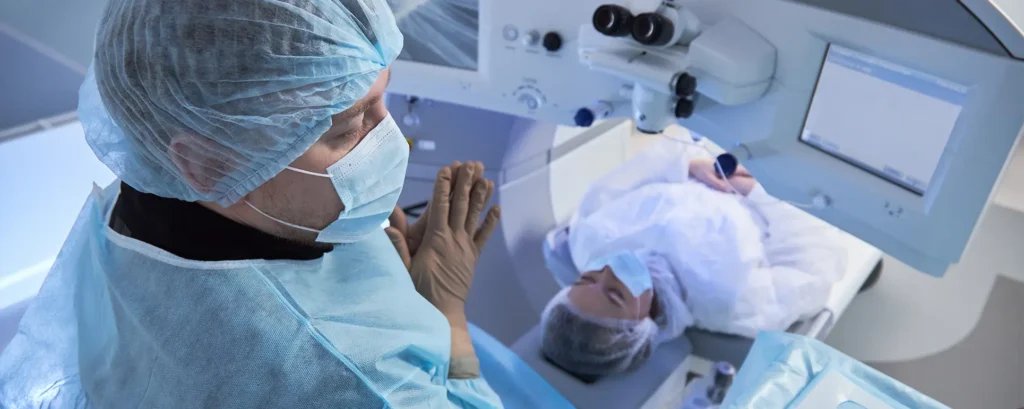
Prevention is always better than cure. Surgical teams take multiple steps to minimise the risk of TASS. These include:
- Strict cleaning and sterilisation of instruments with protocols that avoid toxic residues
- Using preservative-free intraocular medications and solutions
- Carefully controlling fluid balance and pH in the surgical environment
- Monitoring sterilisation equipment for potential bacterial contamination
- Avoiding reuse of single-use items
Every clinic follows strict guidelines, and many also have internal audits to ensure standards are maintained. This is why TASS remains a rare complication in modern cataract surgery.
Living with the Fear of Rare Complications
For patients, hearing about complications like TASS can be unsettling. It is natural to feel anxious when preparing for cataract surgery. However, it helps to remember that cataract surgery is one of the safest and most commonly performed procedures worldwide, with millions carried out successfully every year.
When complications do occur, they are usually picked up quickly by experienced teams. Having follow-up appointments after surgery, as well as knowing when to call your surgeon if something feels wrong, are important safety nets that protect your vision.
FAQs about TASS After Cataract Surgery
1. How soon after cataract surgery does TASS usually appear?
TASS most often develops very quickly, usually within the first 12 to 48 hours after cataract surgery. This speed of onset is one of the main clues that helps surgeons distinguish it from infection. Endophthalmitis, for example, generally takes a few days to show, while TASS announces itself almost immediately with blurred vision, redness, and swelling. Because of this timing, ophthalmologists always keep a close eye on patients in the early days following surgery.
2. Is TASS painful?
TASS can cause some discomfort, but it is usually milder compared to the deep, severe pain that signals infection. Patients often describe a gritty sensation, dull aching, or pressure in the eye rather than sharp or unbearable pain. This difference in the type and intensity of pain helps surgeons make a clearer diagnosis, especially when deciding whether the issue is TASS or endophthalmitis.
3. Can TASS cause permanent vision problems?
If treated promptly, TASS usually resolves without leaving lasting damage. However, if diagnosis or treatment is delayed, the inflammation can harm delicate structures such as the corneal endothelium or drainage angle of the eye. In those cases, patients may face long-term issues like corneal clouding or glaucoma. This is why quick reporting of symptoms and immediate treatment with steroids are so important.
4. How is TASS different from endophthalmitis?
The main differences lie in onset, severity, and treatment. TASS appears rapidly within one or two days of surgery, while endophthalmitis tends to occur later. TASS is also less painful and does not usually cause pus or discharge, whereas endophthalmitis often does. Treatment is another key distinction: TASS responds to steroids to calm inflammation, but endophthalmitis needs urgent antibiotics injected into the eye, and sometimes surgery, to control infection.
5. How do surgeons treat TASS?
The standard treatment for TASS is intensive use of steroid eye drops, applied frequently in the early stages to suppress inflammation. In severe cases, oral or intravenous steroids may be added. Surgeons also monitor intraocular pressure closely, as it can rise due to inflammatory debris. Antibiotics are not helpful for TASS itself, but if there is any doubt about infection, surgeons may temporarily add them until infection has been ruled out.
6. How rare is TASS?
TASS is considered very rare in modern cataract surgery. Thanks to improved sterilisation methods, single-use instruments, and preservative-free intraocular solutions, the number of cases worldwide has dropped dramatically. Large-scale studies suggest that only a tiny fraction of procedures are affected, making it one of the least common complications. For most patients, the risk is so small that it should not be a reason to delay surgery.
7. What causes TASS in the first place?
The root cause is exposure of the eye to toxic substances during or just after surgery. This can happen if surgical instruments are not cleaned properly, if residues of detergents or sterilising chemicals remain, or if intraocular medications contain preservatives or endotoxins. Even imbalances in the pH or temperature of surgical fluids can trigger the reaction. Every reputable surgical centre has strict protocols in place to minimise these risks.
8. How do surgeons prevent TASS?
Prevention depends on meticulous attention to detail throughout the surgical process. Instruments are carefully cleaned and sterilised to avoid chemical residues. Only preservative-free medications and solutions are used inside the eye. Sterilisation machines are monitored for endotoxin contamination, and single-use devices are employed whenever possible. These measures, along with ongoing training and auditing, make TASS extremely uncommon in modern practice.
9. What should I do if I notice unusual symptoms after cataract surgery?
If you develop blurred vision, redness, swelling, or discomfort within a day or two of surgery, you should contact your surgeon immediately. Even if the symptoms seem mild, it is always safer to have the eye checked promptly. Early reporting allows the surgeon to distinguish between TASS and infection and to start the correct treatment straight away. Acting quickly greatly reduces the risk of long-term problems.
10. Can TASS happen again if I need surgery on my other eye?
While recurrence is possible, it is not common. If TASS occurs, the surgical team will investigate thoroughly to identify what caused it, whether that was a contaminated solution, a cleaning issue, or another factor. Once the source has been corrected, the chance of TASS happening again during surgery on the other eye is very low. This careful review and correction process gives patients reassurance for any future procedures.
Final Thoughts
Toxic anterior segment syndrome is one of those rare complications that can cause alarm when first mentioned, but it is important to understand that it is not an infection and, when recognised quickly, usually responds very well to treatment. The inflammation settles with steroids, and most people go on to recover fully with no lasting damage to their vision. The real key is early recognition and swift action if anything unusual appears in the first day or two after surgery.
Modern cataract surgery is performed with extraordinary attention to detail, and cases of TASS are now very uncommon thanks to strict safety checks and sterilisation standards. For patients, the most reassuring point is that surgeons and their teams are highly trained to distinguish TASS from more serious conditions such as endophthalmitis, so that the right treatment is started without delay.
It is natural to feel some anxiety when learning about possible complications, but cataract surgery remains one of the safest and most successful operations worldwide. Millions of people every year enjoy restored clarity of vision, and rare events like TASS are exceptions that can be effectively managed.
If you would like the reassurance of being treated by experienced surgeons using the latest safety protocols, we at the London Cataract Centre are here to guide you every step of the way. Our focus is solely on cataract and lens surgery, so you can feel confident that even rare complications are recognised and handled swiftly.
References
- Verma, L. (2023) ‘Toxic anterior segment syndrome (TASS): A review and update’, Indian Journal of Ophthalmology, 71(1), pp. 12–20. Available at: https://pmc.ncbi.nlm.nih.gov/articles/PMC10841787/ (Accessed: 4 September 2025).
- American Academy of Ophthalmology (2025) Toxic Anterior Segment Syndrome. EyeWiki. Available at: https://eyewiki.org/Toxic_Anterior_Segment_Syndrome (Accessed: 4 September 2025).
- Park, C.Y. (2018) ‘Toxic anterior segment syndrome—an updated review’, BMC Ophthalmology, 18, 276. Available at: https://pmc.ncbi.nlm.nih.gov/articles/PMC6203205/ (Accessed: 4 September 2025).
- Centers for Disease Control and Prevention (CDC) (2007) ‘Toxic Anterior Segment Syndrome After Cataract Surgery’, Morbidity and Mortality Weekly Report (MMWR), 56(25), pp. 629–632. Available at: https://www.cdc.gov/mmwr/preview/mmwrhtml/mm5625a2.htm (Accessed: 4 September 2025).
- CRSToday (2025) ‘Spotlight on TASS’, Cataract & Refractive Surgery Today, April issue. Available at: https://crstoday.com/articles/april-2025/spotlight-on-tass (Accessed: 4 September 2025).