


When you live with thalassaemia, your medical team is already familiar with the regular blood tests, transfusions, and iron chelation that come with the condition. But what happens when another health issue comes up — like cataracts? For many people with thalassaemia, cataract surgery becomes necessary at a younger age than usual, often as a result of long-term iron overload or steroid treatment for related complications. But is cataract surgery safe when you have a blood disorder? And what exactly do surgeons and haematologists do to ensure everything goes smoothly?
This article walks you through the ins and outs of cataract surgery when you have thalassaemia. We’ll look at what makes your case different, what to expect before, during, and after surgery, and how your team works together to protect your health and vision. If you’re preparing for cataract surgery or supporting someone with thalassaemia, this is your practical guide to understanding how it all fits together.
Understanding Thalassaemia and Its Impact on Eye Health
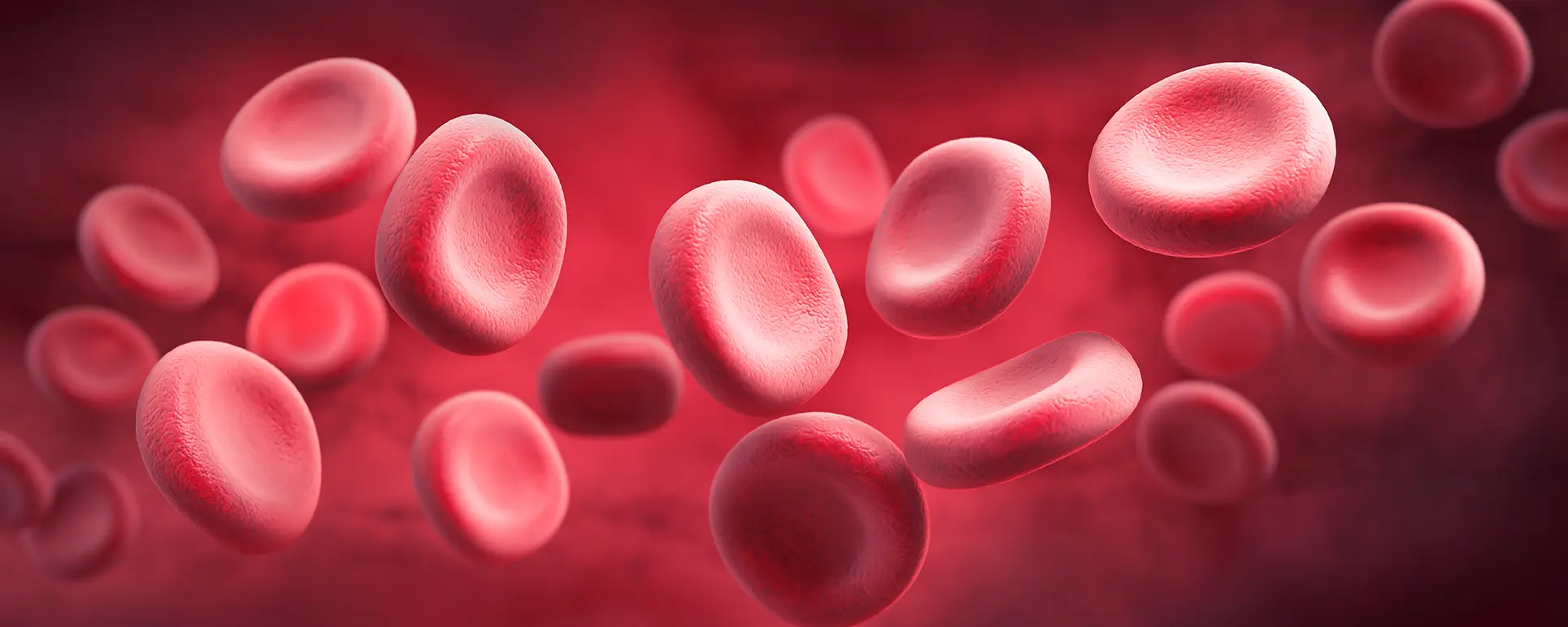
Thalassaemia is a group of inherited blood disorders where the body doesn’t produce enough healthy haemoglobin. The result? Chronic anaemia and, in moderate to severe forms, a need for regular blood transfusions. Over time, the repeated transfusions and breakdown of red blood cells can lead to iron overload in various organs — including the eyes.
One of the lesser-known complications of iron overload is the development of cataracts. Excess iron deposits can damage lens proteins, clouding the lens and affecting your vision. Some patients also require long-term corticosteroid treatment for complications like bone marrow suppression or autoimmune responses, which can further increase the risk of cataracts. That means cataracts can occur earlier in life, even in your 20s or 30s.
It’s not just about the cataract itself. Thalassaemia may also increase your risk of other eye issues, like retinal changes or optic nerve damage, so your ophthalmologist will take a careful look at the entire eye. This early and comprehensive planning makes a real difference in preserving your sight.
Why Cataract Surgery Requires Special Planning in Thalassaemia

Cataract surgery is usually a quick, low-risk procedure for most people. But when you have thalassaemia, there are a few extra layers of complexity. First, your blood count must be optimised. If you have low haemoglobin going into surgery, it can increase your risk of complications like delayed wound healing, fatigue, or reduced oxygen delivery to tissues during the procedure.
Then there’s the matter of iron overload. Iron affects more than just the heart or liver — it can also compromise immune function. This means your infection risk during and after surgery might be slightly higher. Your surgeon and haematologist will look at your latest ferritin and liver iron levels to assess your current iron load. They may adjust your chelation therapy around the time of surgery.
There’s also the matter of anaesthetic safety. While most cataract surgeries in the UK are done under local anaesthetic, some patients may need sedation or general anaesthesia. If you have cardiac complications from thalassaemia (like arrhythmias or cardiomyopathy), anaesthesia must be planned with extreme care.
Preoperative Assessment: What to Expect
If you’re heading into cataract surgery and have thalassaemia, you can expect your surgeon to request a preoperative medical review. This typically includes:
- A full blood count (to check haemoglobin, platelets, and white cells)
- Iron studies (including ferritin and transferrin saturation)
- ECG and echocardiogram (if you’ve had any heart issues from iron overload)
- Liver function tests
- Review of your transfusion history and any complications
You may also be asked to consult your haematologist, who will provide clearance and coordinate any pre-surgery transfusions if your haemoglobin is too low. Chelation therapy might be paused for a few days before surgery to reduce any interference with healing.
Some patients also undergo an ocular ultrasound or optical coherence tomography (OCT) scan to check for any retinal complications that might affect the expected visual outcome. All this ensures the team has a complete picture before proceeding.
Timing Surgery Around Your Transfusion Schedule

If you’re on a regular transfusion programme, the timing of your cataract surgery will often be planned around it. Most haematologists aim to schedule the operation shortly after a transfusion, when your haemoglobin is at its peak. This approach reduces the risk of intraoperative anaemia and improves oxygen delivery for wound healing.
Your surgeon may also choose to do one eye at a time, with a few weeks in between, to monitor your response and reduce systemic stress. It’s a collaborative process between your surgical and haematology teams.
Don’t be surprised if you’re advised to delay surgery slightly until your iron load or haemoglobin is more stable. While cataracts are vision-impairing, safety always comes first — and a few weeks of optimisation can make a big difference to your surgical outcome.
Choosing the Right Intraocular Lens (IOL)
When your cataract is removed, the surgeon places a new artificial lens (IOL) inside your eye. There are several types, including monofocal (for one distance), multifocal (for near and far), and toric (for astigmatism). If you have retinal changes from iron overload or other ocular issues, your surgeon may recommend a monofocal IOL for better clarity and fewer complications.
The health of your retina determines whether you’re likely to benefit from premium IOLs. If your retinal function is reduced, there’s no point in using a multifocal lens, as your eye might not be able to take advantage of its benefits. This is something your surgeon will assess during preoperative scans.
Material choice may also be important. Some IOL materials are more prone to calcification in systemic disorders. Your surgeon will choose a lens that is durable, optically clear, and suitable for long-term use in your case.
The Day of Surgery: What Happens
Most cataract surgeries are done under local anaesthetic with mild sedation if needed. For patients with thalassaemia, any sedation is carefully titrated, especially if there’s a history of cardiac issues. Your oxygen levels, heart rate, and blood pressure are monitored throughout.
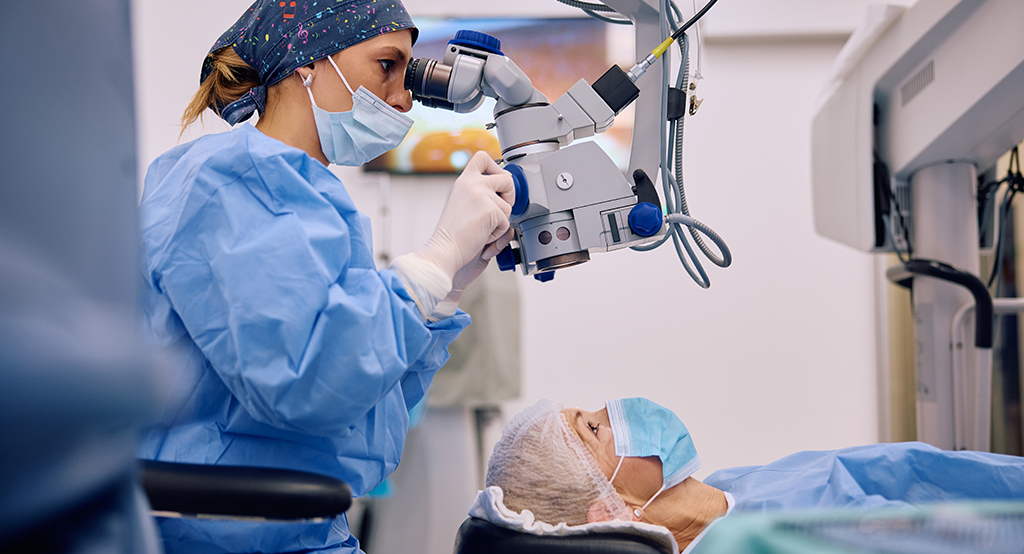
The procedure itself usually takes 15 to 30 minutes. A tiny incision is made, the cloudy lens is broken up and removed, and the new IOL is inserted. You’ll usually go home the same day, with an eye shield and antibiotic drops to prevent infection.
If you’ve had a recent transfusion, your haemoglobin should be well-supported for healing. If not, you may need one just before or shortly after the procedure. Your haematology team will guide this process based on your baseline levels and recovery.
Postoperative Recovery and Monitoring
After surgery, your eye may feel gritty, sore, or watery for a few days. You’ll be given eye drops to reduce inflammation and prevent infection. Follow-up visits are critical in the first week, then at four weeks to assess your final vision.
For those with thalassaemia, recovery is generally similar to other patients if blood counts and iron levels are stable. However, your team will watch for signs of delayed healing or infection more closely. It’s essential to attend all follow-up appointments.
You should also let your haematologist know if you feel unusually tired or if any of your thalassaemia symptoms worsen after surgery. Rarely, surgical stress can unmask other complications that need quick management.
Long-Term Visual Outcomes and Lifestyle Impact
The good news is that most people with thalassaemia who undergo cataract surgery experience excellent improvements in vision. Once the clouded lens is removed, colours appear brighter, and daily activities become easier. If you’ve been struggling with glare, difficulty reading, or night driving, the improvement can be life-changing.
If your retinal health is intact and your surgery is well-timed, there’s no reason why you shouldn’t achieve good visual acuity. However, long-term follow-up may include additional monitoring for other thalassaemia-related eye issues.
You may also find that better vision improves your confidence, independence, and ability to manage your overall health. Whether it’s navigating your transfusion appointments or simply enjoying daily life, clearer sight is a big step forward.
FAQ: Cataract Surgery and Thalassaemia
- Can people with thalassaemia safely have cataract surgery?
Yes, cataract surgery can be performed safely in people with thalassaemia, provided careful preoperative planning is done. The key is collaboration between your ophthalmologist, haematologist, and anaesthetist to ensure that your haemoglobin levels are adequate, your iron overload is under control, and any potential heart complications are considered. With proper precautions, including timely transfusions and anaesthesia adjustments if needed, the surgical risk is not significantly higher than in the general population. - Why do cataracts develop earlier in thalassaemia?
Cataracts can develop earlier in thalassaemia patients due to chronic iron overload and the use of corticosteroids, both of which are common in the long-term management of the condition. Iron deposition in the lens alters its structure, leading to early clouding, while steroids used to manage complications like bone marrow suppression or autoimmune reactions further increase the risk. As a result, individuals with thalassaemia may need cataract surgery in their 20s or 30s, far earlier than typical age-related cataract patients. - Will I need a transfusion before surgery?
Whether you need a transfusion before surgery depends on your haemoglobin level and how well your body tolerates the stress of surgery. If your haemoglobin is below a safe threshold, your haematologist may recommend a transfusion a few days prior to the procedure to ensure your tissues receive enough oxygen during and after surgery. This helps support wound healing, reduce fatigue, and maintain overall stability. For regularly transfused patients, surgery is often timed shortly after their usual transfusion. - Can iron overload affect my eyes directly?
Yes, iron overload can have a direct effect on the eyes, particularly on the lens and retina. When iron accumulates in the eye, it can trigger oxidative stress and protein damage, particularly in the lens fibres, which can lead to cataract formation. Additionally, some patients may develop retinal complications or optic nerve issues due to prolonged exposure to high iron levels. This makes regular ophthalmic monitoring important for anyone with a history of chronic transfusion therapy. - What lens type is recommended for thalassaemia patients?
For most people with thalassaemia, a monofocal intraocular lens (IOL) is the preferred choice, especially if there are retinal changes or other ocular comorbidities. Monofocal lenses provide reliable distance vision with minimal risk of visual disturbances, which is particularly helpful when retinal function may already be compromised. Multifocal or premium lenses may not be ideal in cases where contrast sensitivity is reduced or visual processing is impaired due to iron-related retinal changes. - Is general anaesthetic safe for thalassaemia patients?
General anaesthesia can be used in thalassaemia patients, but it carries increased risk if you have underlying cardiac complications from iron overload, such as arrhythmias or cardiomyopathy. In most cases, cataract surgery is performed under local anaesthetic with or without mild sedation, which avoids these systemic risks. However, if general anaesthesia is needed, your anaesthetist will take special care to monitor your heart function, oxygen saturation, and medication interactions throughout the procedure. - Can both eyes be operated on at the same time?
Although simultaneous bilateral cataract surgery is sometimes performed in healthy individuals, it is generally avoided in people with thalassaemia due to the increased medical complexity. Staging the procedures — doing one eye at a time — allows your team to assess how your body responds to the first surgery, ensures safe recovery, and provides an opportunity to make any adjustments before operating on the second eye. This cautious approach helps to reduce risk and enhance outcomes. - Should I stop chelation therapy before surgery?
Chelation therapy may be paused briefly before and after surgery, depending on your haematologist’s guidance. While it’s important to continue managing iron overload, some chelating agents can affect healing or interact with medications given around the time of surgery. Temporarily holding the therapy for a few days is a common precaution, and it is usually restarted once you’re stable postoperatively. Your medical team will balance both safety and long-term iron management during this period. - How long does recovery take after cataract surgery?
Recovery after cataract surgery in someone with thalassaemia is typically similar to that of the general population, provided blood counts and iron levels are stable. Most patients notice clearer vision within a few days, though it can take up to four weeks for full visual recovery as the eye heals and adjusts. During this time, you’ll need to use prescribed eye drops, avoid rubbing your eye, and attend follow-up appointments. Extra monitoring may be done to catch any signs of delayed healing or infection. - Am I at greater risk of infection after surgery?
There may be a slightly increased risk of infection after cataract surgery if you have thalassaemia, particularly if your immune system is weakened by iron overload or past transfusion-related complications. However, this risk is usually well-controlled with antibiotic eye drops and good surgical hygiene. Your team will monitor your healing closely, and you should report any unusual redness, pain, or discharge promptly. Following all aftercare instructions carefully greatly reduces the risk of infection.
Final Thoughts
Cataract surgery in people with thalassaemia is both feasible and highly successful when planned properly. It’s all about teamwork: your ophthalmologist, haematologist, and anaesthetist working together to reduce risks and maximise your outcome.
At London Cataract Centre, we understand the complexities involved in cases like yours. Our consultants have experience working with patients with complex medical histories, including blood disorders like thalassaemia. We tailor each surgical plan to fit your individual needs, ensuring that you’re in the safest hands every step of the way.
References
- Haghpanah, S. et al., 2020. Ocular findings in patients with transfusion‑dependent β‑thalassaemia in southern Iran. BMC Ophthalmology, 20(376). Available at: https://bmcophthalmol.biomedcentral.com/articles/10.1186/s12886-020-01647-y
– A peer-reviewed study identifying cataracts, lens opacities, and retinal changes in thalassaemia major patients - Spectrum of Ophthalmic Manifestations in Patients With Transfusion‑Dependent Thalassemia, 2025. Cureus, March 2025. Available at: https://www.cureus.com/articles/356167-spectrum-of-ophthalmic-manifestations-in-patients-with-transfusion-dependent-thalassemia
– A recent overview highlighting cataract development, retinopathy, optic neuropathy, and reduced visual acuity - Ocular complications in patients with beta thalassemia post‑HSCT, 2025. European Journal of Ophthalmology via LWW. Available at: https://journals.lww.com/egos/fulltext/2025/07000/ocular_complications_in_patients_with_beta.10.aspx
– Reports cataracts and other ocular issues post-stem-cell transplant in beta-thalassaemia patients - A Review on Ophthalmologic Manifestations in Beta‑Thalassemia, 2025. Basir Journal (Iran). Available at: https://journals.sbmu.ac.ir/basir/article/download/42366/version/30972/32477/212278
– Summarises lens opacification and retinal disorders linked to iron overload and chelation therapy - “Alpha‑ and Beta‑Thalassemia: Rapid Evidence Review”, 2022. American Family Physician, March 2022. Available at: https://www.aafp.org/pubs/afp/issues/2022/0300/p272.html
– A clinical evidence summary that includes considerations for perioperative blood transfusion and organ impacts relevant to surgical planning