



If you’ve been told you have cataracts, one of the first questions you’ll probably ask is: “When should I actually have the surgery?” It’s a very reasonable question — and a very important one. Cataracts don’t appear overnight, and for most people, the decision to go ahead with surgery isn’t urgent. But delaying too long can have its own downsides. So is there a ‘sweet spot’ — a best age — when cataract surgery delivers the most benefit?
In this article, we’ll walk you through exactly that. We’ll look at what the research says, how outcomes differ depending on your age, and what the real-world pros and cons are of having surgery earlier rather than later. Most importantly, we’ll give you practical, no-nonsense advice you can actually use.
Understanding Cataracts and How They Progress
Before we talk about timing, let’s quickly revisit what cataracts are and how they tend to progress. A cataract is the clouding of the natural lens inside your eye. This process typically happens slowly over time, as proteins within the lens start to break down and clump together. The result? Your vision becomes blurry, hazy, or dim — especially in bright light or at night.
Age is the biggest risk factor. Most people start developing cataracts in their 50s or 60s, but symptoms may not become bothersome until the late 60s or 70s. Other factors, like diabetes, steroid use, smoking, and excessive sun exposure, can speed things up.
Not everyone progresses at the same rate. Some cataracts stay mild for years, while others change quickly. And that’s where the decision around “when” becomes so personal — and sometimes tricky.
Why Timing Matters More Than You Think

Many people still hear the old phrase “wait until your cataract is ripe.” That advice dates back to when cataract surgery carried more risks and poorer outcomes than it does today. Back then, waiting made sense. Today, that’s outdated thinking.
Modern cataract surgery is one of the safest and most successful operations in all of medicine. So instead of waiting for the cataract to become severe, the newer approach is to operate when it starts to affect your quality of life. And when we say “quality of life,” we’re not just talking about reading a book — it includes everything from driving safely to maintaining your independence.
The truth is, age does influence both the experience and the outcomes of surgery — sometimes more than people expect.
Cataract Surgery in Your 50s and Early 60s
Pros:
Having cataract surgery in your 50s or early 60s is relatively uncommon — but not unheard of. In some cases, people develop early-onset cataracts due to genetics, trauma, or long-term steroid use. When these cataracts become visually significant, surgery is often the only practical solution.
At this age, patients tend to be very healthy, active, and engaged in daily tasks that demand sharp vision — like driving at night, using screens all day, or participating in sports. Their eyes also tend to heal faster, and the risk of complications is low.
Importantly, younger patients may be more open to refractive cataract surgery, choosing premium intraocular lenses (IOLs) that correct presbyopia or astigmatism at the same time. These lenses can reduce the need for glasses altogether, making surgery feel like an upgrade — not just a necessity.
Cons:
One potential downside? If you’re still a long way from developing presbyopia (age-related near vision loss), you might still experience some adjustment post-surgery depending on the lens choice. Also, because surgery is a once-in-a-lifetime decision, there’s a sense that having it ‘early’ uses up your one chance too soon — though in reality, this is rarely a clinical issue.
Cataract Surgery in Your Mid-60s to Mid-70s: The Sweet Spot?
Pros:
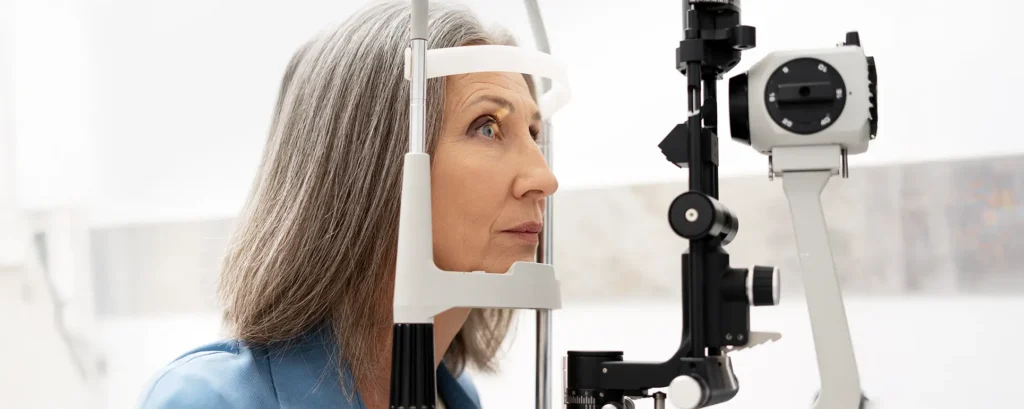
Statistically, this is when the majority of people have cataract surgery — and for good reason. Cataracts are usually advanced enough to cause meaningful visual symptoms, but most patients are still relatively healthy, independent, and active. That’s a critical combination.
In this age group, studies show that surgery significantly improves not just vision, but also mental health, physical mobility, and overall quality of life. The rates of complications remain low, and recovery tends to be smooth.
Additionally, many people in this bracket are still driving, working, or helping care for grandchildren. Clear vision can be life-changing — especially when it comes to safety and daily convenience.
Cons:
The biggest issue here is often timing within this window. Wait too long, and the cataract might start interfering with depth perception, night vision, or balance — which can increase the risk of falls and accidents. So while mid-60s to mid-70s is often ideal, it’s important not to wait until the very end of that window.
Cataract Surgery in Your Late 70s to 80s
Pros:
If you’ve reached your late 70s or early 80s with reasonably good vision, that’s great news. But if cataracts start becoming noticeable — interfering with reading, recognising faces, or watching TV — surgery can still deliver excellent results.
In fact, multiple studies show that even in patients over 80, cataract surgery leads to improved vision, better mood, reduced fall risk, and greater independence. It’s not “too late” by any means. Surgeons today routinely perform successful procedures on patients well into their 80s and even 90s.
Cons:
There are a few more variables to consider. Healing may be slower in older patients, and the presence of other eye conditions (like macular degeneration or glaucoma) might limit the full visual improvement.
Medical comorbidities are more common, which means surgical planning needs to be tailored carefully. For example, someone with arthritis may struggle to use eye drops, or someone with memory issues might need extra support after surgery.
Cataract Surgery After 90: Still Worth It?
Pros:
Yes — cataract surgery is still routinely done in people over 90, especially when the vision loss is affecting safety or quality of life. In this age group, the most common motivators are falls, inability to care for oneself, or loss of independence.
Some patients over 90 regain enough vision to start reading again, manage their medications better, or avoid transitioning to assisted living — which is a huge quality-of-life improvement.
Cons:
At this age, surgery must be assessed case by case. There’s no fixed upper limit, but cognitive impairment, frailty, or severe systemic illness might change the balance of risks and benefits. A thorough preoperative assessment is essential, and often the decision is made in collaboration with the patient, family, GP, and ophthalmologist.
What the Research Says About Age and Outcomes
Let’s get into the numbers. A large study published in JAMA Ophthalmology found that patients aged 65 to 74 had the highest improvements in visual function and quality of life after surgery. Those over 75 also benefited, but the relative improvement was slightly smaller — possibly due to other health conditions affecting vision.
Another 10-year population study from the UK showed that early intervention (within 6 months of symptoms becoming noticeable) was associated with better visual outcomes, fewer complications, and higher satisfaction than delayed surgery.
Perhaps most importantly, cataract surgery has also been linked to a reduced risk of dementia in older adults. A 2022 study in JAMA Internal Medicine reported a 30% lower risk of developing dementia in patients who had cataract surgery compared to those who didn’t — thought to be related to improved sensory input and engagement.
The Hidden Cost of Waiting Too Long
It’s tempting to put off surgery — especially if your vision is “not that bad yet.” But delaying too long can lead to:
- Greater surgical complexity: A mature or ‘hypermature’ cataract is harder to remove, increasing the risk of complications like capsular rupture or inflammation.
- Loss of independence: Poor vision is a leading cause of falls and fractures in older adults — and cataracts are one of the most treatable causes.
- Longer recovery time: The longer cataracts are left to worsen, the more strain they place on the retina, potentially impacting post-op visual clarity.
- Mental health decline: Vision loss is strongly associated with depression and anxiety — something that can often be reversed with timely surgery.
When Should You Seriously Consider Surgery?
The right time isn’t based purely on age — it’s about function. Here are some signs you might want to move forward:
- Struggling with night driving or glare from headlights
- Difficulty reading even with glasses
- Colours looking faded or dull
- Trouble with stairs or judging distances
- Frequent changes in glasses prescriptions with minimal improvement
If any of these sound familiar, it may be time to talk to a cataract surgeon.
Choosing the Right Intraocular Lens (IOL) for Your Age

Age can influence what kind of lens implant may be most appropriate:
- Under 65: May benefit from multifocal or extended depth-of-focus lenses to reduce dependency on glasses.
- 65–75: Still good candidates for premium lenses if they don’t have other eye conditions.
- 75+: Often prefer monofocal lenses for simplicity, especially if there’s macular degeneration, glaucoma, or other retinal issues.
It’s worth having a detailed discussion about your visual goals — reading, driving, hobbies — to help guide the decision.
So, Is There a “Best” Age?
If we had to give a practical answer based on both data and clinical experience, we’d say this:
The best age to have cataract surgery is usually between 65 and 75 — early enough to maximise visual and quality-of-life benefits, but late enough that cataracts are impacting your day-to-day life.
That said, earlier surgery may be appropriate if the cataract is progressing faster than expected, or you have specific needs. And surgery at 80 or even 90+ can still be safe and transformative with the right planning.
- Can you have cataract surgery too early?
Yes, it’s possible to have cataract surgery before it’s truly necessary, especially if the cataract isn’t yet interfering with your vision or daily activities. While modern techniques make early surgery safe, most surgeons recommend waiting until you start noticing consistent vision problems like glare, blurred reading, or difficulty driving — otherwise, you may undergo surgery without gaining significant benefit. - What happens if you wait too long for cataract surgery?
Delaying cataract surgery for too long can lead to a more advanced, dense cataract that’s harder to remove and may carry a slightly higher risk of surgical complications. You could also experience worsening vision, increasing your risk of falls or accidents, and you might struggle with everyday tasks like reading labels, navigating stairs, or recognising faces. - Is there a maximum age limit for cataract surgery?
There is no fixed age limit for cataract surgery, and people in their 90s — or even older — can still benefit greatly if they’re generally fit and have clear goals for vision improvement. The key factor is overall health and whether the expected benefits outweigh any surgical risks, which are typically low with proper planning and support. - Are outcomes better in younger patients?
Outcomes can be slightly better in younger patients because the eye tissues tend to heal more quickly, and there are usually fewer coexisting eye conditions like macular degeneration or glaucoma. Younger patients are also more likely to benefit from premium lenses that reduce dependence on glasses, but excellent results are still very achievable at older ages. - How do I know when it’s time for surgery?
It’s likely time for cataract surgery if you’re finding that your vision is affecting your ability to carry out everyday activities like reading, driving at night, watching TV, or navigating busy areas safely. When your glasses are no longer making a difference and your vision starts to interfere with your independence or confidence, it’s worth speaking to a specialist. - Does delaying cataract surgery affect your eye health?
Yes, leaving cataracts for too long can eventually impact other parts of the eye, such as increasing the risk of high intraocular pressure or making the surgery more complex. Although cataracts themselves aren’t dangerous, prolonged poor vision can contribute to mental health decline and reduced quality of life, especially in older adults. - Can cataracts come back after surgery?
Once a cataract is removed, it cannot come back — the cloudy natural lens is permanently replaced with a clear artificial one. However, some people develop a condition called posterior capsule opacification (PCO) months or years later, which causes similar symptoms but is easily fixed with a quick, painless laser treatment in the clinic. - Are the risks of cataract surgery higher as you age?
While cataract surgery remains very safe at all ages, the risks may increase slightly in older patients due to other health conditions like heart disease, frailty, or dementia. That said, most older adults still tolerate surgery well, especially with modern anaesthetic methods and careful post-operative support to ensure safe recovery. - What type of anaesthesia is used for cataract surgery in older patients?
In older patients, surgeons usually use local anaesthesia in the form of eye drops or a small injection around the eye, which avoids the need for general anaesthesia and carries very few risks. This method keeps patients comfortable and relaxed during the short procedure and is particularly well suited for those with medical conditions. - Is there a benefit to having cataract surgery on both eyes close together?
Yes, having cataract surgery on both eyes within a short time frame — either days or weeks apart — can restore balanced vision more quickly, improve depth perception, and reduce the adjustment period. Many patients find it easier to return to normal activities faster when both eyes are treated close together, rather than living with one eye corrected and the other not.
Final Thoughts
Cataract surgery isn’t just about improving your eyesight — it’s about giving you back your confidence, safety, and independence. While age is a factor, the most important thing is how much the cataract is affecting your life. There’s no one-size-fits-all answer, but there is a right time for you.
At London Cataract Centre, we’ve helped patients from their 40s to their 90s navigate this decision confidently and safely. If you’re unsure whether it’s time to consider surgery, we’re here to help you weigh up the benefits, risks, and timing based on your lifestyle and visual goals.
References
- Al-Busaidi, A., Lundström, M. & Wormald, R., 2003. Effect of increasing age on cataract surgery outcomes in the very elderly. British Journal of Ophthalmology, 87(11), pp.1361–1365. Available at: https://www.ncbi.nlm.nih.gov/pmc/articles/PMC1120237/ [Accessed 11 July 2025].
- Eusebio, C. et al., 2014. The Long Term Impact of Cataract Surgery on Quality of Life, Activities and Poverty: Results from a Six Year Longitudinal Study in Bangladesh and the Philippines. PLOS ONE, 9(4). Available at: https://doi.org/10.1371/journal.pone.0094140 [Accessed 11 July 2025].
- Gupta, N. et al., 2021. Quality of Life after Cataract Surgery: A One-Month Follow-Up NEI VFQ-25 Assessment. Journal of Ophthalmology, 2019; Article ID 555767. Available at: https://juniperpublishers.com/jojo/JOJO.MS.ID.555767.php [Accessed 11 July 2025]. (Juniper Publishers)
- Ben‑Eli, H.Y., Cnaany, I. & Chowers, I., 2024. Investigating the Impact of Age and Sex on Cataract Surgery Complications and Outcomes. Scientific Reports. Available at: https://arxiv.org/abs/2410.15505 [Accessed 11 July 2025
- Clarke, M.P. et al., 2000. Age-related maculopathy and cataract surgery outcomes: a prospective, mid- to long-term analysis. British Journal of Ophthalmology, 84(2), pp.213–216. Available at: https://www.nature.com/articles/6702171 [Accessed 11 July 2025].